Home / Environment / Forests Ignite: Tree Planting Fuels Wildfires
Forests Ignite: Tree Planting Fuels Wildfires
5 Nov
Summary
- Planted forests increase wildfire occurrence by 26% and burned area by 23%.
- Temperate conifer forests face a 2.7-fold surge in fire occurrence.
- Wildfire risk clusters in western North America and southern Europe.
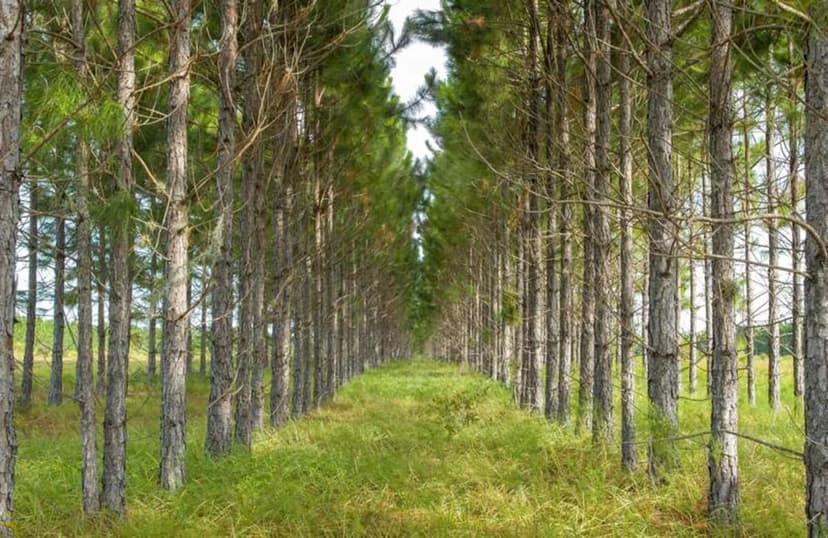
A significant global study indicates that planting trees, intended for carbon storage, can surprisingly elevate wildfire risk. Researchers analyzing over two decades of satellite data found that converting non-forested land to planted forests is associated with a 26% increase in fire occurrence and a 23% rise in expected burned area.
This risk varies dramatically by landscape. Temperate conifer forests saw fire occurrence skyrocket 2.7-fold, while Mediterranean regions experienced a 38% jump. Intriguingly, temperate broadleaf forests saw fewer fires but larger burned areas. Conversely, temperate grasslands showed a decrease in fire occurrence.
The study highlights that geographical locations already stressed by fire, such as western North America and southern Europe, are most affected. Plantations are twice as likely to burn as native forests, with monoculture plantations showing particularly extreme behavior. This heightened risk could undermine the climate benefits of afforestation, as wildfires release stored carbon.
Experts stress the importance of carefully planning plantation locations to avoid unintended consequences on local fire regimes. Considering fire risk from the outset alongside production and environmental goals is crucial. The findings challenge the assumption that simply planting more trees guarantees greater climate benefits.


