Home / Environment / Pfas Incinerators Fail: Low-Income Areas at Risk
Pfas Incinerators Fail: Low-Income Areas at Risk
30 May
Summary
- Nation's incinerators largely fail to eliminate Pfas air pollution.
- Low-income neighborhoods face disproportionate health risks from Pfas.
- Industry claims of Pfas reduction are disputed by experts and advocates.
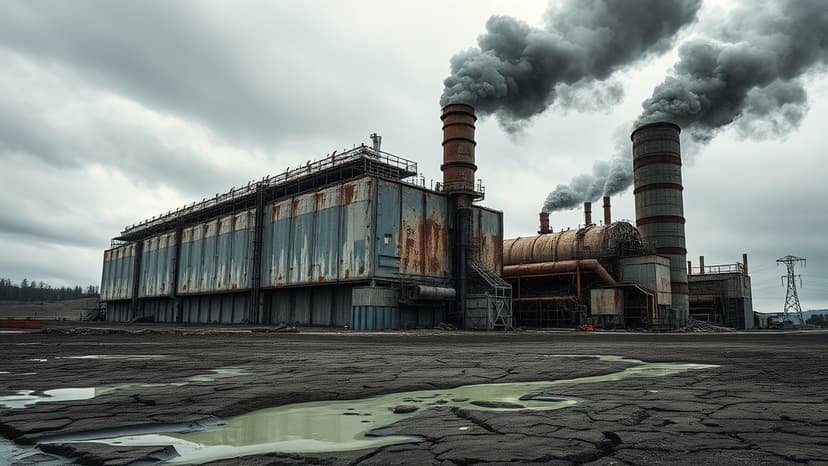
Garbage incinerators across the nation are largely failing to eliminate Pfas "forever chemicals" from air pollution, disproportionately endangering low-income communities, according to public health advocates and independent experts. The powerful waste management industry is promoting incinerators as a solution for Pfas waste, with industry reports claiming significant reductions in emissions. However, these claims are being challenged by advocacy groups and experts who point to flawed testing and incomplete data.
These "forever chemicals," linked to severe health issues such as cancer and birth defects, are notoriously difficult to destroy industrially. Critics argue that incinerators may release Pfas and other dangerous pollutants into surrounding neighborhoods, exacerbating environmental injustice. Regulatory bodies like the EPA have expressed low confidence in incineration's ability to control Pfas releases, citing insufficient data.
Advocates contend that current emission standards and testing methods are inadequate, failing to account for the vast number of Pfas compounds or synergistic health effects. They argue that the chemicals' degradation is only "promoted" rather than fully achieved at incineration temperatures, leaving a significant health threat. The debate highlights ongoing struggles to regulate these persistent pollutants and protect vulnerable populations from their harmful impacts.


