Home / Environment / Pet Meds Harm Insects: A Hidden Environmental Crisis
Pet Meds Harm Insects: A Hidden Environmental Crisis
25 Feb
Summary
- Oral flea and tick treatments can harm beneficial insects.
- Isoxazoline drugs are excreted by pets, entering the environment.
- Dung-feeding insects are particularly at risk from drug residues.
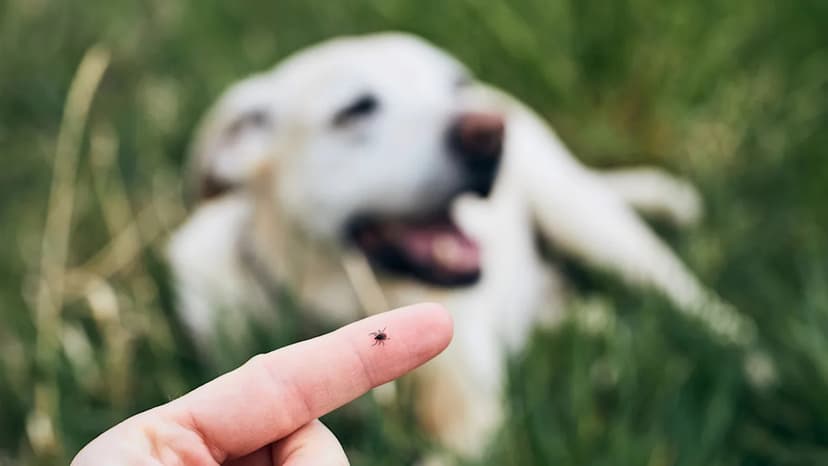
Common oral flea and tick medications prescribed for pets are emerging as a significant threat to insect populations. A recent study highlights that isoxazoline drugs, popular since their introduction in 2013 for their long-lasting efficacy, pass through animals and are excreted in their feces.
These drug residues can harm insects, particularly those that feed on dung. Insects like dung beetles and flies play a critical role in waste decomposition, nutrient cycling, and maintaining soil quality. Their exposure to these chemicals, detected in pet waste months after treatment, raises serious environmental concerns.
The decline of insects, with an estimated 40% of species struggling and a third endangered, impacts ecosystems globally. Insects provide essential services including pollination, pest control, and serve as a food source for other wildlife, contributing billions to the global economy annually.