Home / Environment / Fake Lawns Spark 'Heat Trap' Fury in Perth
Fake Lawns Spark 'Heat Trap' Fury in Perth
29 Jan
Summary
- Artificial grass is accused of intensifying heat, acting as a suburban heat trap.
- Concerns rise over microplastic pollution and ecosystem damage from synthetic turf.
- Homeowners face higher energy bills due to increased air conditioning use.
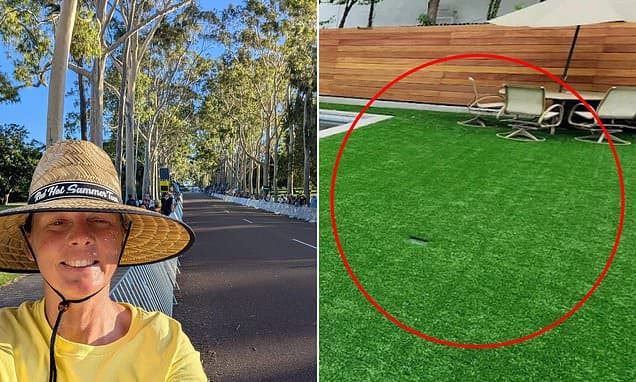
A growing number of homeowners in Perth are replacing natural lawns with artificial turf, leading to concerns that these synthetic surfaces are creating suburban 'heat traps.' Residents are warning that the fake grass absorbs and stores intense heat, potentially reaching temperatures over 60 degrees Celsius, which significantly increases local ambient temperatures. This phenomenon is believed to worsen the urban heat island effect, leading to higher energy demands for air conditioning and increased utility costs for households. The trend is prompting calls for local councils, such as the City of Swan, to consider banning artificial lawns in residential areas. Beyond the heat concerns, environmental risks are also being highlighted, including the destruction of local biodiversity, the spread of microplastics into soil and waterways, and the difficulty of recycling the materials. Families with children and pets are also cautioned about the risk of burns from the scorching surfaces. Similar debates and actions are occurring nationwide, with some councils, like the Gold Coast City Council, already issuing fines for synthetic turf on road verges due to safety and heat concerns. While the City of Swan currently discourages artificial turf rather than banning it outright, advocates emphasize the benefits of native plants, trees, and real grass for cooling, water efficiency, and wildlife habitat.