Home / Environment / Endangered Wood Powers Orchestras, Sparks Global Debate
Endangered Wood Powers Orchestras, Sparks Global Debate
14 Jul
Summary
- Ivory and pernambuco materials in instruments led to confiscations.
- Bow makers work to conserve pernambuco, replanting millions of trees.
- New regulations require permits for commercial pernambuco trade.
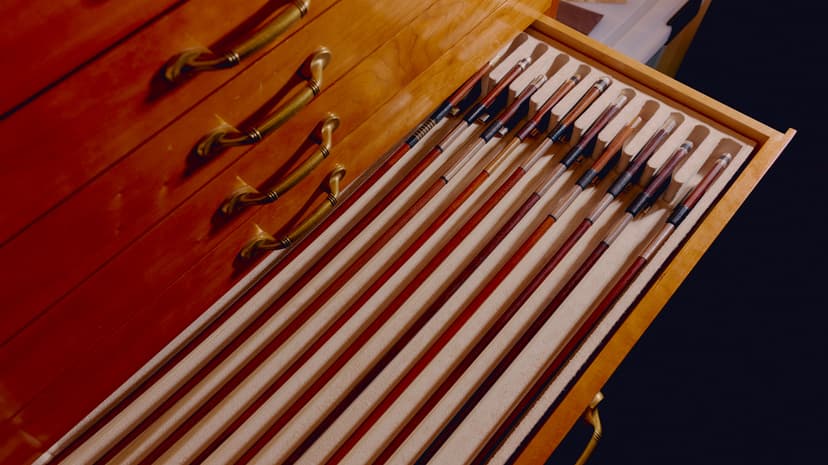
Instruments crafted from endangered species materials, such as African elephant ivory and hawksbill sea turtle shells, have recently caused complications. Though protected now, older instruments containing these materials face scrutiny, leading to confiscations at airports. Musicians have resorted to replacing contraband parts, like ivory bow tips with silver, fearing for their costly instruments.
A significant concern arose when Brazil proposed increased international protection for pernambuco, an endangered hardwood vital for string instrument bows. This threatened the orchestral touring industry, valued in millions, and spurred fears of bow confiscations. However, bow makers have actively led conservation efforts, including replanting millions of trees and documenting legal stockpiles.
At a CITES conference, an agreement was reached: strict government permits are now mandated for most international commercial pernambuco activities. This decision relieved musicians, allowing them to continue touring with their pernambuco bows. The issue is expected to be revisited in 2028 with updated research.
Pernambuco, Brazil's national tree, grows exclusively in the Atlantic Forest and was declared endangered in 1992 due to agricultural expansion. This declaration spurred a black market for the wood, leading to high-tech poaching. Brazilian authorities have captured over 150,000 bows and rods and collected millions in fines.
Despite the challenges, pernambuco remains the preferred material for string players due to its density and flexibility, properties discovered in the 1770s. While carbon-fiber bows offer an alternative, many consider them inferior. Efforts continue to conserve pernambuco through seedling plans and restoration projects, aiming to ensure the continued viability of this essential wood for musical instruments.


