Home / Environment / Volcanic Glass Strands Resemble Human Hair
Volcanic Glass Strands Resemble Human Hair
26 Mar
Summary
- Volcanoes can produce extremely thin strands of volcanic glass called Pele's hair.
- New research suggests these strands form when bubbly magma is stretched.
- Pele's hair is light brown or yellow and can be up to two feet long.
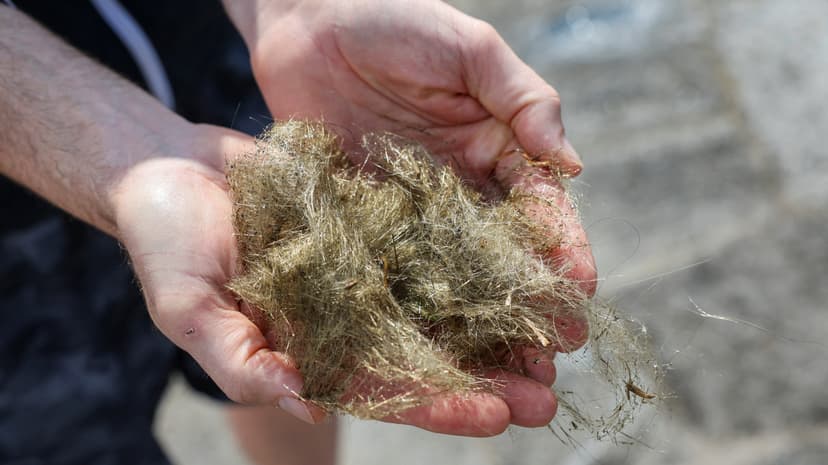
Volcanic activity can result in the formation of delicate strands of volcanic glass, known as Pele's hair. This phenomenon, often overlooked amidst descriptions of ash and lava, has been observed near active volcanoes.
Pele's hair, distinguished by its light brown or yellow color, can rival human hair in length, with some strands measured up to two feet. Unlike the glossy black of obsidian, this volcanic glass presents a unique texture.
Recent research published in the journal Geology suggests that Pele's hair is formed when air-filled magma is stretched. This process can occur when bits of lava are ejected and elongated by volcanic gas jets and wind.
These glassy strands have been reported in regions such as Hawaii and Iceland. Their lightness allows them to travel considerable distances, as evidenced by Pele's hair from Kilauea volcano reaching a town approximately 20 miles away.