Home / Environment / Vultures Return: Panna's Triumph Over Extinction
Vultures Return: Panna's Triumph Over Extinction
15 Sep
Summary
- Panna's unique sandstone gorges provide vital nesting and roosting sites for vultures.
- Vulture populations in India plummeted by over 99% due to veterinary diclofenac.
- Conservation efforts have led to significant vulture population increases since 2016.
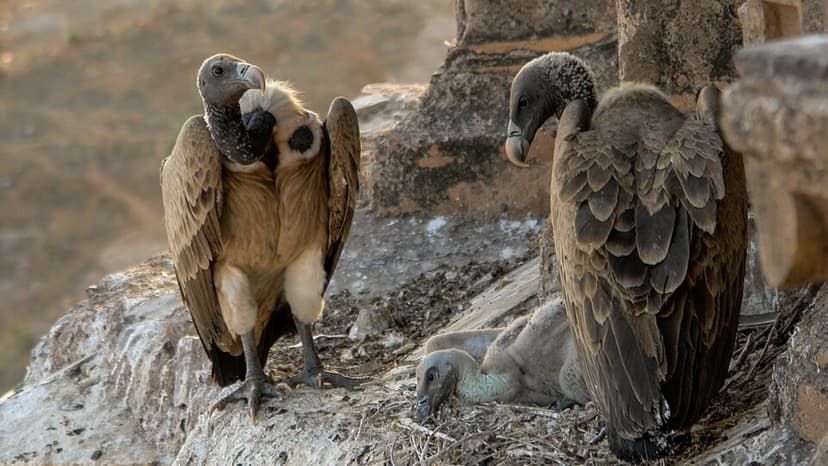
Panna's dramatic sandstone landscape, carved by the Ken River, is once again a sanctuary for vultures. This unique environment, with its deep gorges and sheer cliffs, provides essential nesting and roosting ledges. The area has become a vital stronghold for these scavengers, supporting seven of India's nine vulture species.
Historically, India faced a catastrophic decline in vulture populations, exceeding 99% between the 1990s and mid-2000s. The primary culprit was veterinary diclofenac, an anti-inflammatory drug for livestock. Vultures consuming carcasses of treated animals suffered kidney failure and visceral gout, leading to their near extinction.
However, Panna is now a testament to successful conservation. The state's vulture census recorded 12,981 individuals in 2025, a significant increase from previous years. This recovery is attributed to targeted interventions, including restrictions on veterinary diclofenac, habitat protection, and breeding programs.
The resurgence of vultures in Panna highlights their critical ecological role. As specialized scavengers, they rapidly consume carcasses, preventing the spread of pathogens and disease. Their highly acidic digestive systems neutralize deadly bacteria, safeguarding water tables and soil. The return of vultures signifies the restoration of this vital ecological service.
Conservation initiatives in Madhya Pradesh, such as the vulture conservation and breeding center established in 2014, have been instrumental. Monitoring, including the use of GPS-GSM transmitters, aids in understanding vulture movements and habitat needs. Community involvement and awareness programs also play a crucial role in ongoing protection efforts.
While the recovery is celebrated, vigilance against poisoning from contaminated carcasses remains essential. The collaboration between authorities, conservationists, and local communities ensures the continued protection of these birds. Panna's landscape also attracts migratory species, making it a dynamic ecosystem throughout the year.


