Home / Environment / Pakistan's Ice Hockey Faces Meltdown as Winters Warm
Pakistan's Ice Hockey Faces Meltdown as Winters Warm
27 Feb
Summary
- Winters in Pakistan's northern mountains are arriving later and behaving unpredictably.
- Average winter precipitation has fallen about 30% since the late 2010s.
- Warmer temperatures are impacting the natural ice needed for winter sports.
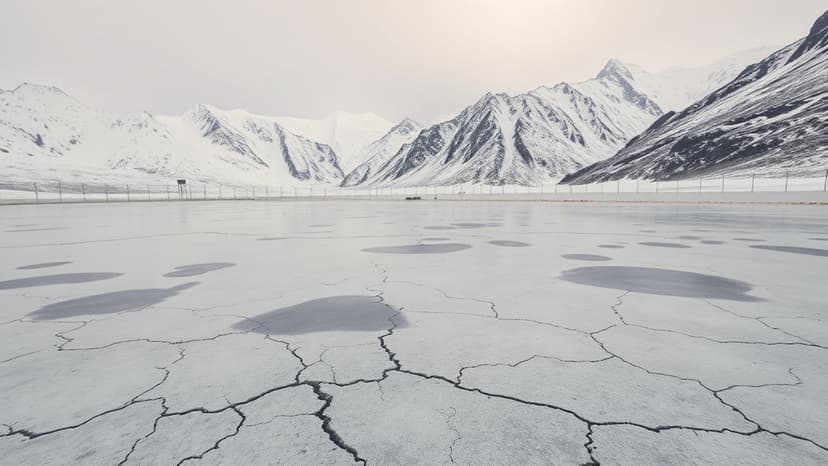
Winters in Pakistan's northern mountainous regions, including the Hunza Valley, are exhibiting significant changes. For decades, local swimming pools transformed into ice rinks for a vital community ice hockey tournament. However, recent winters have arrived later and become unpredictable, with shorter cold spells and unstable freeze-thaw cycles.
Data indicates a 30% drop in average winter precipitation since the late 2010s, with temperatures being 2-3°C milder. This affects the natural ice formation essential for the Karakoram Interlude tournament, which relies entirely on weather conditions unlike European resorts with artificial snow.
The community has attempted to adapt, moving the tournament north to Sost, a higher-altitude town. Yet, even this location has shown thin ice, forcing cautious play and cancellations. Organizers are concerned about the long-term viability of the event.
Beyond sports, these climate shifts impact local businesses. Cafes, guesthouses, and transport operators face reduced tourism. Residents recall former winters with heavy snowfall that disrupted life but sustained ice, contrasting with current conditions where food is available year-round, but snow and ice are disappearing.