Home / Environment / PA Brine: Road Salt's Radioactive Cousin?
PA Brine: Road Salt's Radioactive Cousin?
25 Jul
Summary
- PA oil and gas wells produce brine, salty and radioactive.
- Brine was used on roads for dust control and ice melting.
- A new permit allows selling brine as a commercial road product.
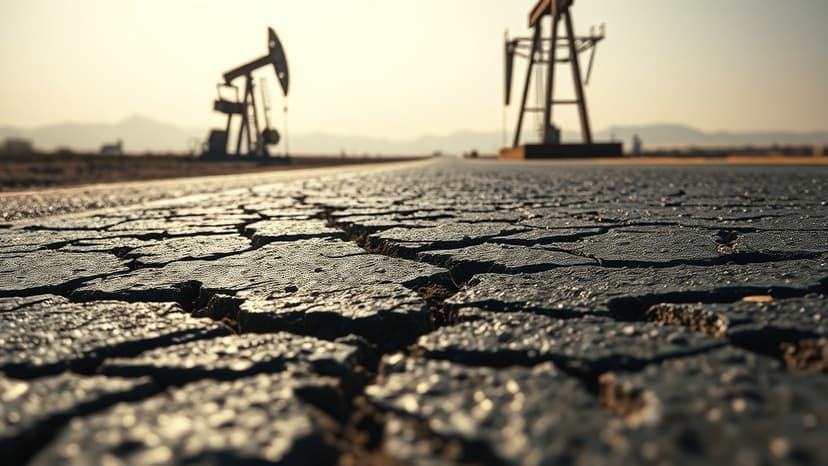
Pennsylvania faces a growing concern over the use of wastewater from its approximately 100,000 oil and gas wells. This produced water, commonly known as brine, is exceptionally salty and contains radium, a radioactive carcinogen. Historically, this brine was applied to dirt, gravel, and paved roads across the state for dust suppression and ice melting. Although the state Department of Environmental Protection halted this practice in 2018, residents continue to report its application.
A significant development occurred in May 2026 when the Department of Environmental Protection issued a permit that could allow oil and gas well wastewater to be sold as a commercial product. This product could be purchased by businesses involved in road maintenance or snow removal. However, research by Penn State professors indicates that oil and gas brine is ineffective at suppressing dust and can even exacerbate road degradation.
Studies found that brine is little to no more effective than rainwater and often causes more road material to wash away than commercial dust suppressants. Furthermore, contaminants like radium tend to wash off roads with runoff, posing risks to waterways and potentially accumulating in wildlife. The Pennsylvania House Environmental Resources and Energy Committee held a hearing on June 10, 2024, regarding a bill to completely ban the road spreading of oil and gas brine, with a related House Bill 84 advancing out of committee on June 8, 2026.


