

Home / Environment / Oregon Rivers Reborn: From Pollution to Paradise
Oregon Rivers Reborn: From Pollution to Paradise
3 Apr
Summary
- Oregon's rivers, once polluted, are now regenerating with habitat restoration.
- Indigenous tribes are reclaiming stewardship and cultural spaces along rivers.
- Restoration efforts have revived waterways for recreation and wildlife viewing.
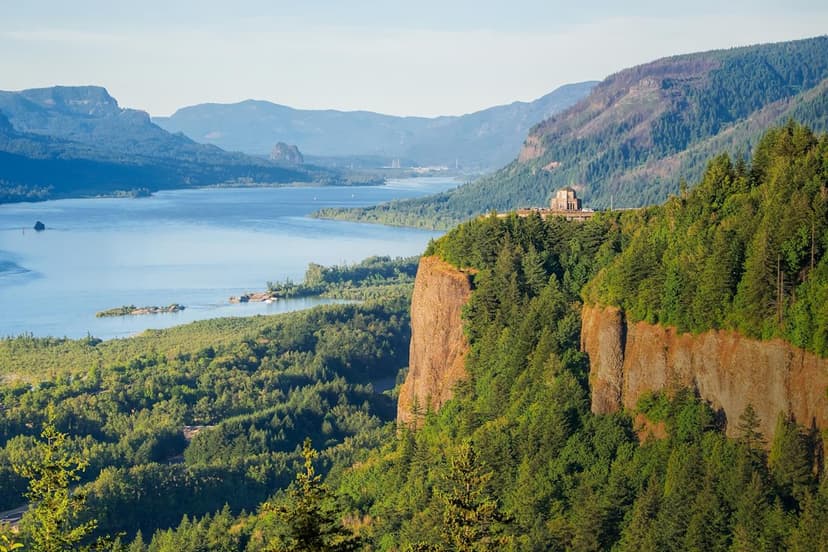
Oregon's rivers, such as the Willamette, are experiencing a remarkable regeneration from their polluted past. Once devastated by industries like paper mills and lumber operations, these waterways are now the focus of extensive cleanup and habitat restoration projects. These efforts, supported by legislation like the Federal Clean Water Act, are leading to a revival that allows for activities like swimming and renewed wildlife viewing.
Indigenous peoples, including the Kalapuya, Chinookan, and Molalla tribes, whose ancestral lands encompass these rivers, are central to this regeneration. They are reclaiming stewardship over ex-industrial sites, with initiatives like the Confederated Tribes of Grand Ronde and the Willamette Falls Trust developing plans for native vegetation restoration and cultural spaces. This movement emphasizes a deep connection to the land and a return to living in balance with the environment.
The transformation extends to other key Oregon waterways, including the Columbia River and Scappoose Bay. Restoration efforts by groups like the Scappoose Bay Watershed Council are helping salmon populations rebound, turning areas into wildlife hotspots. Similarly, the Historic Columbia River Highway is being revitalized as a recreation trail, and dam removal projects along the Columbia River Gorge are restoring natural flow and ecological health.
