Home / Environment / Ohio River: Toxic Tide Threatens Millions
Ohio River: Toxic Tide Threatens Millions
8 Nov
Summary
- Over 40 million pounds of pollution entered the Ohio River in 2020.
- Nitrates cause cancer and reproductive problems for humans.
- Over five million people rely on the Ohio River for drinking water.
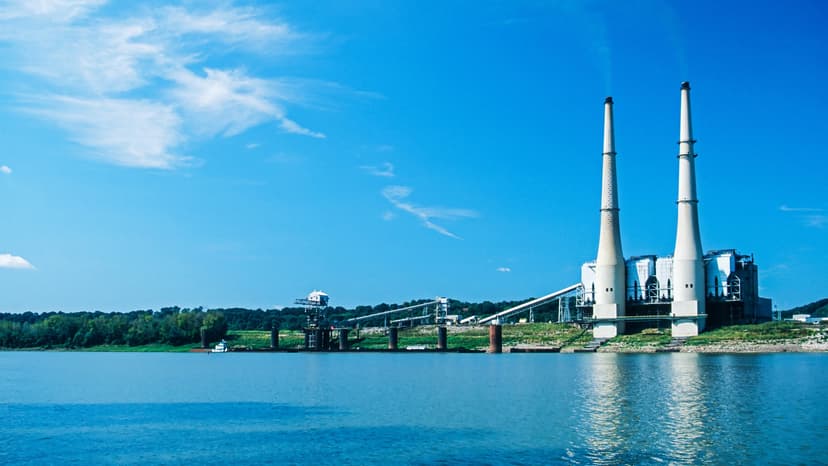
The Ohio River, stretching over 980 miles through five states, is critically endangered by decades of industrial waste and toxic runoff. In 2020 alone, the river basin absorbed over 40 million pounds of pollutants, primarily from power and petrochemical plants. These contaminants, such as nitrates, pose severe health risks, including cancer and developmental issues, to the over five million people who rely on the river for drinking water.
While past efforts since the 1950s have shown some ecological recovery, dangerous chemicals like perfluorooctanoic acid persist, making the water unsafe. Designated one of America's most endangered waterways in 2023, the river's crucial role in culture, health, and the economy demands stronger federal protection and improved pollution control standards. Proactive state measures are also essential to prevent further dumping.
Despite widespread contamination, some areas remain safe for recreation and consumption after treatment, with towns like New Albany and Maysville offering river access. However, without immediate intervention, these vibrant communities risk succumbing to severe environmental neglect.


