Home / Environment / New York's Shark Summer: Beaches Close Amidst Rising Activity
New York's Shark Summer: Beaches Close Amidst Rising Activity
2 Aug
Summary
- Increased shark activity linked to warmer oceans and climate change.
- Twenty-three beach closures recorded in New York this season.
- Improved surveillance and healthier ecosystems contribute to sightings.
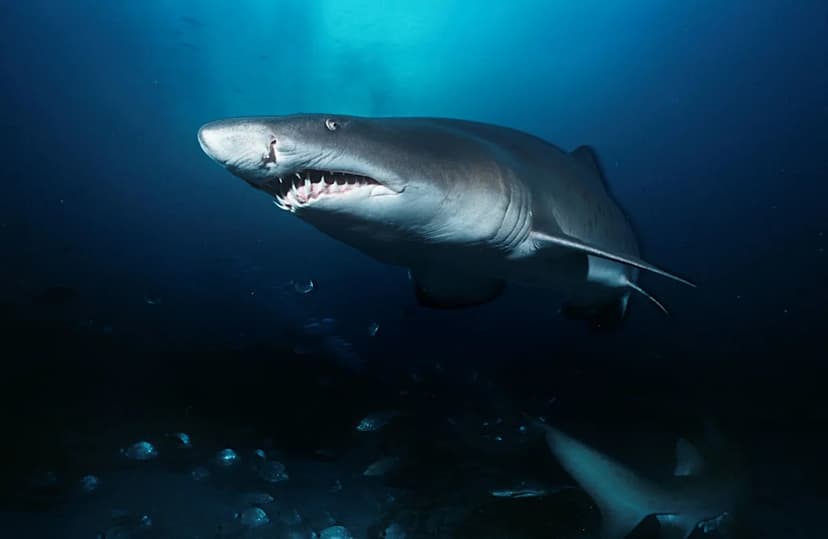
New York's coastline is currently in its 'shark summer,' marked by a notable increase in shark activity and subsequent beach closures. This phenomenon is primarily attributed to a confluence of environmental factors, including warmer ocean temperatures driven by climate change, a decrease in the availability of prey species, and ongoing pollution.
The heightened shark presence has led to a significant number of beach closures, with at least 23 reported this season in New York. The early days of July saw a disproportionate number of these closures, beginning shortly after a large shark was spotted near the coast.
These occurrences include a non-life-threatening bite sustained by a swimmer over the recent Fourth of July weekend. Several beaches, such as Rockaway Beach, have experienced repeated closures since May, underscoring the persistence of the issue.
While the increase in shark activity aligns with the regular migration season from June through September, when up to 13 species follow prey along the Atlantic coast, several factors are contributing to their more frequent appearance off New York.
Simultaneously, advancements in surveillance technology, such as the use of drones, allow officials to detect sharks near swimmers much faster than before. This improved monitoring contributes to the higher number of reported alerts and closures.
Furthermore, years of conservation efforts, including cleaner-water policies and enhanced fishing protections, have revitalized coastal habitats. This has facilitated the return of prey species like the Atlantic menhaden, making New York's waters more attractive to marine life, including sharks.
The warming of the Atlantic Ocean due to rising global temperatures is also a key factor, enabling sharks to remain in the area for extended periods compared to previous decades.
This complex situation highlights the dual impact of human actions on marine ecosystems—conservation efforts fostering healthier environments, alongside the pervasive effects of pollution and climate change altering ocean conditions.


