Home / Environment / Nilgiris: Rewilding Success Returns Wildlife to Plantations
Nilgiris: Rewilding Success Returns Wildlife to Plantations
9 Jan
Summary
- Restoration transforms tea plantations into grasslands and shola forests.
- Efforts have successfully reintroduced tigers, leopards, and endemic birds.
- Indigenous knowledge guides ecological revival, fostering co-existence.
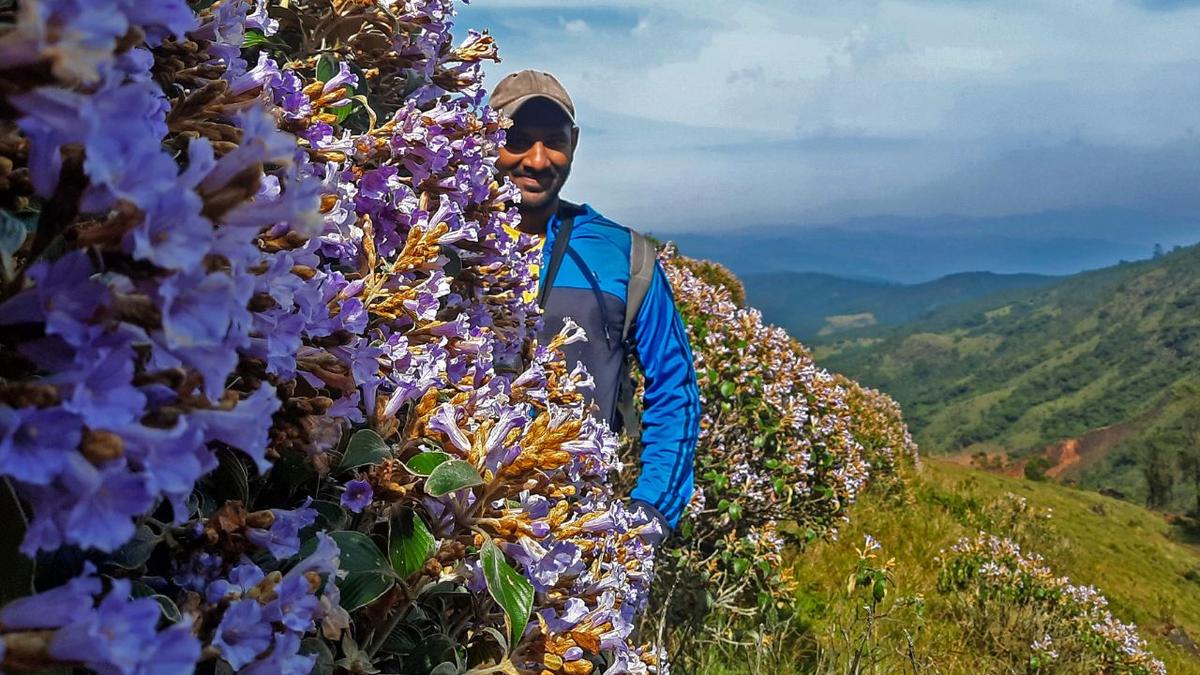
Ecological restoration efforts in Tamil Nadu's Nilgiri Plateau are successfully reviving native grasslands and shola forests, transforming former tea plantations into thriving wildlife habitats. Around eight acres of a tea estate have been restored to indigenous grassland and shola, attracting herbivores like deer and predators such as leopards and tigers. This initiative is crucial as less than 9% of the original grassland and shola mosaic remains due to extensive plantations and deforestation.
Conservationists, including organizations like Edhkwehlynawd Botanical Refuge (EBR) and Keystone Foundation, are spearheading these efforts. They are reintroducing over 10 grass species and 40 tree species, alongside native orchids and herbs. This meticulous work has led to the documented return of 12 endemic birds and mammals, including sambar, sloth bears, and the Bengal tiger. Traditional ecological knowledge from indigenous communities, like the Todas, is integral to this process, guiding the selection of native species and restoration techniques.
The Nilgiri Tahr Project and other initiatives are also clearing invasive species like lantana from thousands of hectares within protected areas. These rewilding projects not only benefit wildlife but also help revive underground water tables, crucial for the region's water security. By fostering a harmonious relationship between people and nature, these efforts aim to create resilient ecosystems capable of sustaining themselves.