Home / Environment / Nile Dam's Silt Trap Devastates Egypt's Delta
Nile Dam's Silt Trap Devastates Egypt's Delta
13 Jul
Summary
- Aswan Dam construction halted crucial nutrient-rich silt flow.
- Farmers now rely on artificial fertilizers, degrading soil.
- Nile Delta faces erosion and subsidence due to reduced sediment.
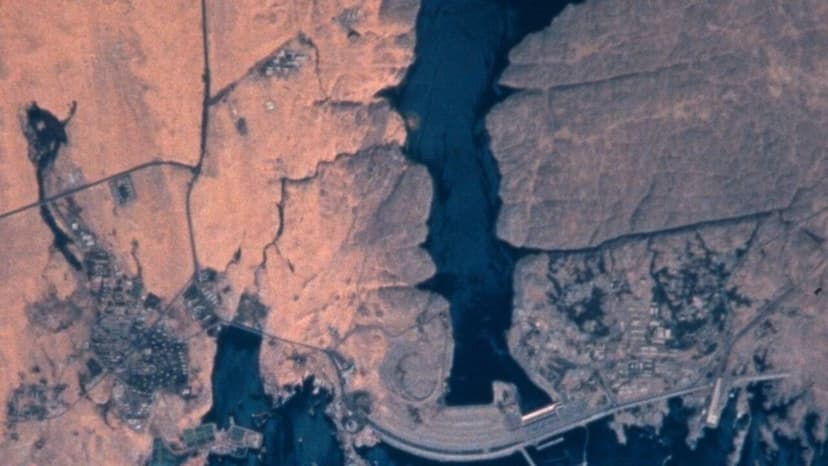
Life along the Nile River has been profoundly shaped by its annual floods, which once deposited nutrient-rich volcanic silt. However, the construction of a large dam in the southern part of Egypt fundamentally altered this natural cycle.
This engineering marvel aimed to control seasonal volatility, ensure a stable water supply, and generate electricity. Yet, the dam's effectiveness in blocking river flow has led to serious downstream environmental consequences. The reservoir behind the barrier captures an estimated forty million tonnes of fertile sediment annually.
Without this natural replenishment, agricultural fields have rapidly lost productivity, forcing farmers to heavily use artificial fertilizers. This reliance has degraded soil health and caused significant runoff pollution. The Nile Delta's coastline faces erosion and land subsidence as less sediment reaches the Mediterranean Sea.
Furthermore, the lack of natural flushing has worsened water quality. Toxic elements accumulate in soil and surface waters, harming fish populations and increasing soil salinity. As the land sinks closer to sea level, saltwater intrusion into freshwater sources becomes a growing concern for coastal inhabitants.


