Home / Environment / 50,000 Fish Dead: Northern Ireland Water Pollution Crisis
50,000 Fish Dead: Northern Ireland Water Pollution Crisis
15 Jul
Summary
- Over 50,000 fish died in Northern Ireland due to water pollution.
- 65 separate pollution incidents occurred across rivers and waterways.
- Agriculture and NI Water are identified as significant pollution sources.
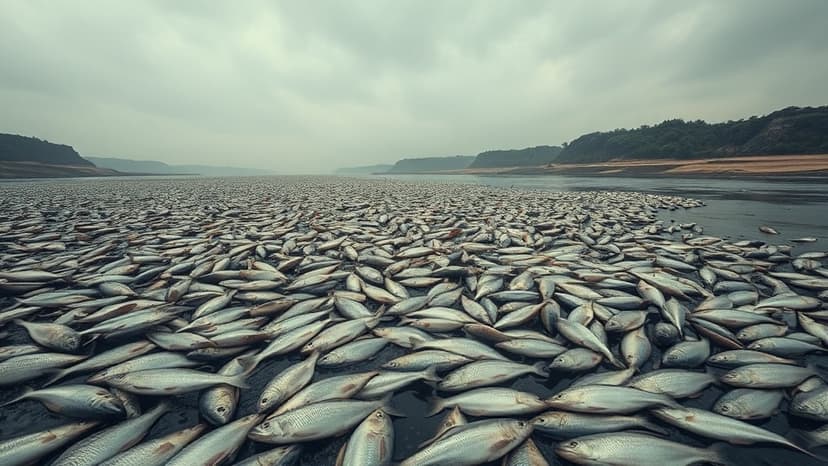
Over the past five years, Northern Ireland has witnessed a devastating environmental toll with more than 50,000 fish killed across its rivers and waterways. This grim statistic is a result of 65 distinct pollution incidents, predominantly impacting counties Armagh, Tyrone, and Fermanagh. Authorities report that in nearly half of these cases, no further action was taken when the pollution source could not be definitively identified.
Agriculture-related pollution stands out as a significant cause, accounting for almost half of the fish kill incidents. However, industry and Northern Ireland Water are also implicated as contributors. The Ulster Farmers Union emphasizes that while fish kills are serious, agriculture is not the sole source, with most farmers managing their environmental responsibilities diligently.
Since 2020, 30 fish-kill cases have led to legal proceedings, accumulating £44,000 in fines and remedial costs. A notable incident in June 2022 involved a slurry spill in County Tyrone's Torrent River, which killed nearly 4,500 fish and resulted in a fine exceeding £6,000. This situation has drawn criticism from local environmental advocates and fishermen.
Figures from the Northern Ireland Environment Agency indicate that agriculture remains the largest overall source of water pollution, but NI Water is also a substantial contributor. Concerns are rising about outdated wastewater systems unable to cope with increased population pressure, leading to untreated waste entering rivers. NI Water has previously warned of persistent and worsening pollution without adequate funding for system upgrades.
Reforms are being proposed to increase fines for pollution offenses, with a new bill introduced to toughen penalties. Environmental groups are calling for stronger deterrents, as the low prosecution rate is seen as encouraging polluters. The impact extends beyond fish, affecting entire river ecosystems, from insects to kingfishers and otters.


