

Home / Environment / N.H. Scientists Probe Deadly Winter Oyster Die-Offs
N.H. Scientists Probe Deadly Winter Oyster Die-Offs
15 Apr
Summary
- New Hampshire oyster farms are experiencing significant winter mortality rates.
- Scientists are investigating the causes of these alarming oyster die-offs.
- Winter losses threaten the economic and environmental growth of the industry.
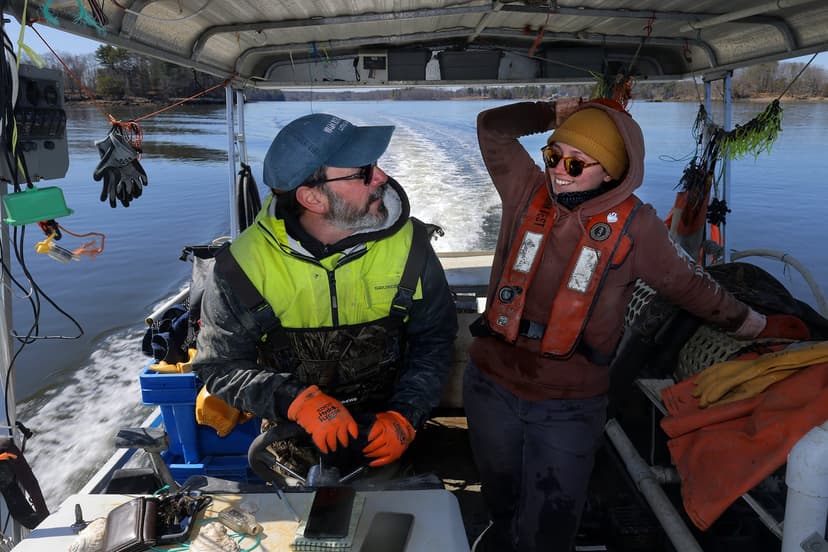
Oyster farmers in New Hampshire are confronting widespread and devastating oyster die-offs during the winter, a phenomenon that threatens the region's rapidly expanding shellfish industry. These mass mortality events, occurring even during the oysters' dormant period, have led to losses of up to 80 percent for some farms. Scientists are actively investigating the precise causes, which may include oysters entering winter with insufficient reserves or succumbing to accumulated environmental stressors. The economic and environmental benefits of oyster farming, including water filtration and habitat provision, are jeopardized by these ongoing losses. The New Hampshire Sea Grant program highlights that the value of the state's oyster harvest saw a remarkable 946 percent increase from 2015 to 2025, reaching $6.8 million, underscoring the industry's growth. Researchers are examining farming and storage practices, including exploring 'dry storage' methods used in Massachusetts, where oyster survival rates are significantly higher. This research aims to bolster the industry's resilience against winter mortality and ensure its continued prosperity.
