Home / Environment / Climate Change Warps New England Trails
Climate Change Warps New England Trails
25 Nov
Summary
- Heavier downpours and longer mud seasons damage trails.
- Deferred maintenance backlog in New England exceeds $1 billion.
- Research is underway to develop climate-resilient trail designs.
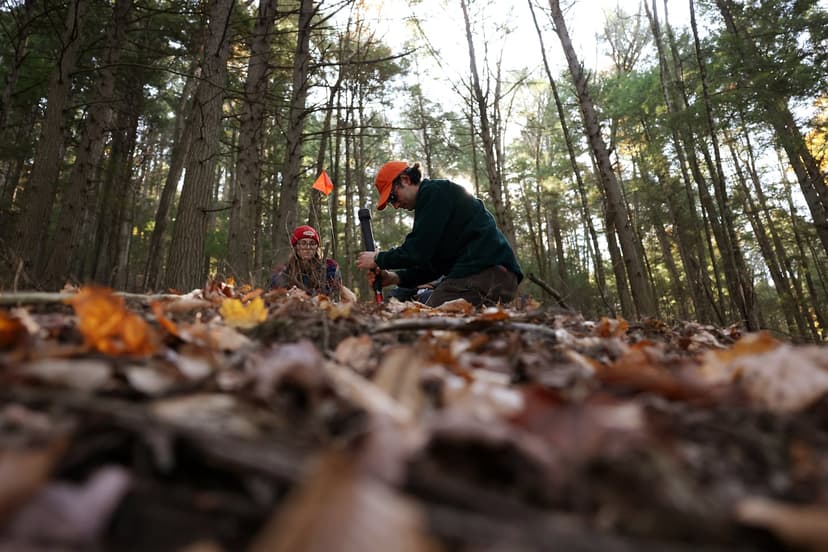
Veteran trail builder Peter Jensen notes that climate change now demands consideration in trail design, as heavier rains and extended mud seasons accelerate erosion. Trails are being transformed into deep ditches, making proper drainage nearly impossible.
Land managers face a significant obstacle: insufficient funding for trail restoration and maintenance, a problem exacerbated by a nationwide deferred maintenance backlog of $35.4 billion. In New England alone, this backlog surpasses $1 billion.
While a 2020 federal conservation law has funded some projects, future funding remains uncertain. However, states like Massachusetts and Maine have recently allocated funds to trail improvement programs, and Vermont completed a major trail rehabilitation. These efforts highlight the escalating costs of building trails resilient to climate impacts.
Many older New England trails, some over a century old, were built without considering current weather extremes and often follow the steepest mountain paths. This design makes them highly susceptible to erosion from intense rainfall, which can damage bridges and carve trenches into footpaths.
Trail stewards are employing strategies like elevating boardwalks, installing stone steps, and creating drainage systems. In some cases, trails are being rerouted to follow gentler slopes, a change that, while less challenging for hikers, is crucial for long-term sustainability and erosion prevention.
Beyond funding and design adjustments, scientists are investigating how climate change impacts trail ecology. Researchers at Dartmouth College are studying soil composition and tree roots to inform future trail management strategies, aiming to provide evidence-based recommendations for constructing trails that can withstand environmental pressures.


