Home / Environment / Record Heat Weakened Mountain, Caused Deadly Collapse
Record Heat Weakened Mountain, Caused Deadly Collapse
8 Sep
Summary
- Unprecedented heat registered on mountain glacier prior to collapse.
- Permafrost thaw and snowmelt likely contributed to instability.
- Climate change may have acted as a trigger for the collapse.
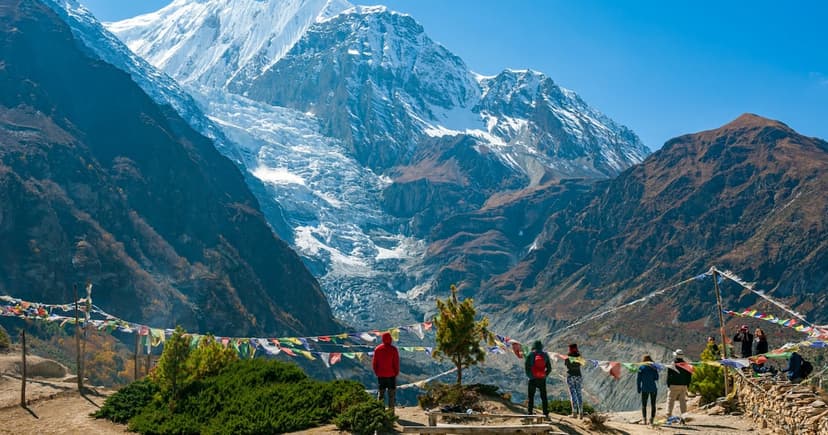
Recent meteorological data reveals that the mountain section whose collapse triggered fatal floods in Nepal and China on Aug. 26 experienced unprecedented heat. Average temperatures on the glacier at 5,200 meters (17,060 feet) reached around five degrees Celsius between Aug. 21 and 26. This temperature anomaly was significantly higher than the historical average for the period, rising by about 1.8C since the mid-20th century at the collapse site.
Experts suggest these hot conditions could explain permafrost thaw and subsequent slope and glacier collapse, as permafrost acts as a binding agent for rock faces. Significant snowmelt observed days before the disaster also provided water that could have infiltrated fractures, further destabilizing the mountain. While a direct link to the heatwave is still being investigated, researchers believe climate change may have played a role in weakening the mountain to a tipping point.


