

Home / Environment / Nepal's tiger success hides human cost
Nepal's tiger success hides human cost
14 Apr
Summary
- A tiger attack left Pushpa with chronic pain and debt.
- Nepal's tiger population success has increased human conflict.
- Relief claims process is slow and amounts often insufficient.
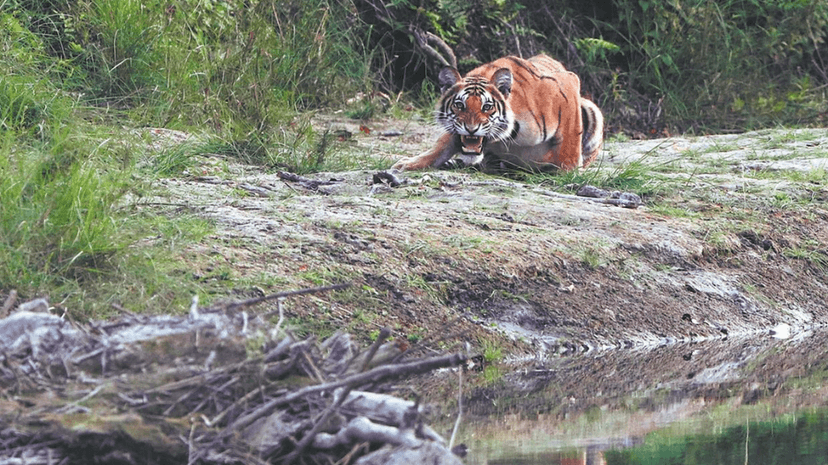
Pushpa Tamang, a 42-year-old woman from Banke, Nepal, was attacked by a Bengal tiger in June 2019. She survived but suffered severe injuries, including a head wound requiring 60 stitches, paralysis in her limbs, and chronic headaches. Despite Nepal nearly tripling its wild tiger population to 355 in 2022, communities like Pushpa's face immense hardship.
Her family has accrued over Rs 700,000 in debt for her medical expenses, which amount to approximately Rs 3,500 monthly for medication and Rs 1,500 for transportation. Her husband, Mitra Lal, had to return from overseas employment to care for her, impacting their household income.
Nepal's revised Wildlife Damage Relief Distribution Guidelines offer up to Rs 1 million for deaths and Rs 500,000 for permanent disabilities. However, these amounts are often insufficient compared to private hospital bills and rehabilitation costs. The claim process is also lengthy, involving multiple government offices.
Human-tiger conflict remains a significant issue, with 35 people attacked by tigers near Bardiya National Park between 2016 and 2024. Conservationists advocate for habitat improvements and better separation of human and wildlife zones. Pushpa's family hopes for local support for her monthly medication, a provision currently unavailable in their rural municipality.

