
Home / Environment / Flamingos Shun Toxic Navi Mumbai Wetlands
Flamingos Shun Toxic Navi Mumbai Wetlands
10 Apr
Summary
- Migratory flamingos are avoiding Nerul wetlands due to poor habitat quality.
- Water tests reveal high pollution levels, depleting food sources for birds.
- Authorities have begun cleanup efforts, but long-term solutions are needed.
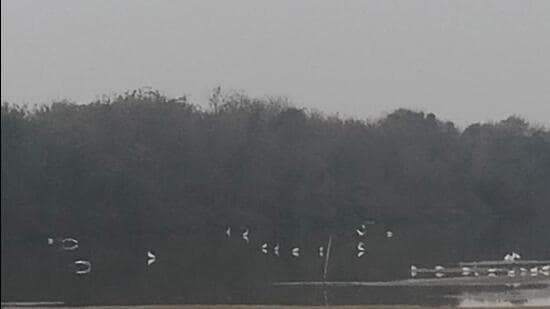
Migratory flamingos have begun avoiding crucial wetlands in Navi Mumbai, including those in Nerul, which were once reliable feeding grounds. Birdwatchers observed flocks flying over these areas without landing, indicating a significant decline in habitat quality and ecological health.
Recent water quality analyses commissioned by the NatConnect Foundation have highlighted severe ecological stress. The tests showed extremely high levels of Total Dissolved Solids (TDS) and alkaline pH, alongside critically low oxygen levels due to elevated Biochemical Oxygen Demand (BOD) and Chemical Oxygen Demand (COD). This has created a 'suffocated' ecosystem unsuitable for life.
The primary cause identified is the disruption of tidal exchange, with blocked drainage channels preventing polluted water from exiting and trapping it within the wetlands. This disruption leads to algal blooms and a complete breakdown of the wetland's natural functions.
Authorities have launched 'Operation DPS Flamingo Lake cleanup,' clearing substantial amounts of sludge daily. However, environmental activists argue these measures are superficial and advocate for lowering blocked channels to restore natural water flow, which they believe is key to the system's revival.
The issue has prompted action at the ministerial level, with the Forest Department and Navi Mumbai Municipal Corporation (NMMC) directed to expedite cleanup and address blocked inlets. A joint inspection of the affected wetlands is scheduled. Despite these efforts, a key tidal inlet remains obstructed due to jetty construction, and coordination between NMMC and CIDCO is cited as a bottleneck.
Environmentalists warn that if urgent corrective steps, including restoring natural water flow and potentially declaring the area a Conservation Reserve, are not taken, they may approach the National Green Tribunal. The absence of flamingos serves as stark evidence of ecological collapse.
