Home / Environment / Nature's Comeback: Wildfire Scar Heals in 4 Years
Nature's Comeback: Wildfire Scar Heals in 4 Years
5 Aug
Summary
- A nature reserve burned four years ago is now thriving.
- Wildfires pose a significant risk due to climate change.
- Preventing fires requires public vigilance and basic precautions.
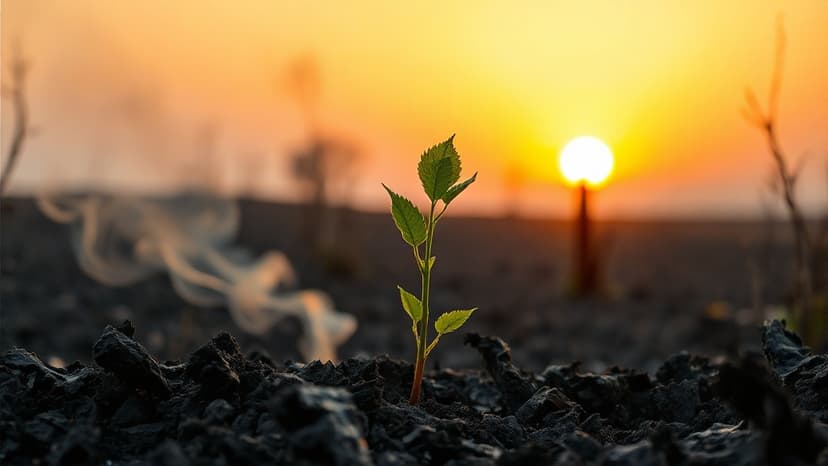
Wild Ken Hill in Snettisham, Norfolk, offers a beacon of hope, demonstrating nature's resilience just four years after a severe wildfire. The blaze in July 2022 destroyed 81 acres (33 hectares) of land and significant wildlife. Today, the reserve has largely recovered, with grasses, reedbeds, and shrub species regenerating, and species like turtle doves returning.
This recovery provides encouragement following a recent major incident at Dunwich Heath and RSPB Minsmere in Suffolk, where a fire scorched 371 acres (150 hectares) and recovery is estimated to take up to 25 years. Dominic Buscall, founder of Wild Ken Hill, highlighted nature's "bouncebackability," noting the site now "looks pretty special once again."
Despite the regeneration, the risk of future wildfires remains high, exacerbated by the current climate emergency and drought conditions. East Anglia has received significantly less rainfall than usual, increasing the likelihood of fires. Norfolk Fire and Rescue Service recently responded to five wildfires in a single day.
Preventative measures at Wild Ken Hill include cattle grazing to reduce dry vegetation. Buscall stressed the critical role of public vigilance in fire prevention, urging against littering, open flames, and disposable barbecues. Community engagement and cooperation with fire services are also vital for managing fire risk effectively.


