feedzop-word-mark-logo
searchLogin
Feedzop
homeFor YouUnited StatesUnited States
You
bookmarksYour BookmarkshashtagYour Topics
Trending
trending

Doomsday Glacier nearing collapse

trending

PG&E issues automatic credits

trending

GDP boosts stock market

trending

Severe thunderstorm warning issued

trending

AWS focuses on AI agents

trending

Tim Cook buys Nike stock

trending

Ernest Heinz indicted for shooting

trending

Gold, silver prices surge

trending

William Rush dead at 31

Terms of UsePrivacy PolicyAboutJobsPartner With Us

© 2025 Advergame Technologies Pvt. Ltd. ("ATPL"). Gamezop ® & Quizzop ® are registered trademarks of ATPL.

Gamezop is a plug-and-play gaming platform that any app or website can integrate to bring casual gaming for its users. Gamezop also operates Quizzop, a quizzing platform, that digital products can add as a trivia section.

Over 5,000 products from more than 70 countries have integrated Gamezop and Quizzop. These include Amazon, Samsung Internet, Snap, Tata Play, AccuWeather, Paytm, Gulf News, and Branch.

Games and trivia increase user engagement significantly within all kinds of apps and websites, besides opening a new stream of advertising revenue. Gamezop and Quizzop take 30 minutes to integrate and can be used for free: both by the products integrating them and end users

Increase ad revenue and engagement on your app / website with games, quizzes, astrology, and cricket content. Visit: business.gamezop.com

Property Code: 5571

Home / Environment / Namibia's Desert Blooms: Wildlife's Triumphant Return

Namibia's Desert Blooms: Wildlife's Triumphant Return

19 Dec

•

Summary

  • Namibia's Orange River-Karoo conservation area is restoring 2.4 million acres.
  • Wildlife populations in southern Namibia declined drastically over two centuries.
  • ORKCA uses technology and community efforts for wildlife restoration.
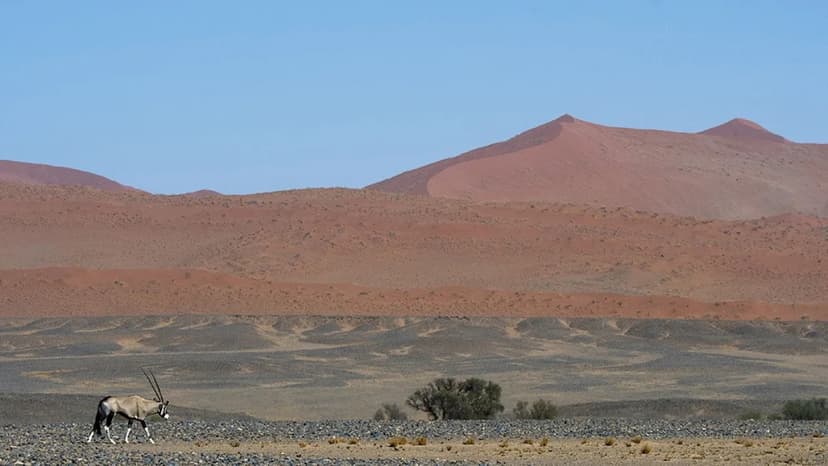
Namibia's Desert Blooms: Wildlife's Triumphant Return

In Namibia's southern desert, the Orange River-Karoo conservation area is experiencing a significant revival of its native wildlife. After suffering a drastic decline of 90% in its animal populations due to poaching, mining, and land conversion over the past two centuries, the region is now seeing a resurgence.

Conservationists have successfully reintroduced species like ostriches, springbok, and oryx onto 2.4 million acres of restored land. This effort is led by ORKCA, a nonprofit founded in 2020, with crucial support from the Rolex Perpetual Planet Initiative. The project employs advanced tracking technology and community engagement to monitor migration patterns and ensure the animals' safety.

The Orange River-Karoo, a unique ecological zone spanning desert, Nama Karoo, and Succulent Karoo biomes, is vital for biodiversity. ORKCA's work, including removing old fences and installing communication towers, is crucial for restoring this landscape, aiming to create a transboundary park that protects both wildlife and the life-giving Orange River.

Disclaimer: This story has been auto-aggregated and auto-summarised by a computer program. This story has not been edited or created by the Feedzop team.
It is a 2.4 million acre nonprofit initiative in southern Namibia working to restore wildlife and ecosystems that were severely depleted over the last two centuries.
Wildlife in southern Namibia declined due to poaching, mining, and conversion of land for livestock farming, leading to the extinction of megafauna.
ORKCA uses a combination of reintroducing animals, removing habitat barriers like fences, installing technology for tracking, and working with local tribes.

Read more news on

Environmentside-arrow

You may also like

Khagaria Shines: NITI Aayog Mission Director Reviews Progress

22 hours ago • 4 reads

Dark Batida: Narciso's Industrial Sound Evolves

15 Dec • 57 reads

article image

Big Whale's Risky Bets: Stocks Plunge 60%+

12 Dec • 19 reads

article image

SkyShowtime to Premiere Polish Star Edyta Górniak Docuseries

11 Dec • 59 reads

article image

Underwater Robots Get ₹100 Cr Boost for Global Expansion

4 Dec • 105 reads

article image