Home / Environment / Mumbai's Growing Garbage Mountain Poisons Homes
Mumbai's Growing Garbage Mountain Poisons Homes
17 May
Summary
- Kanjurmarg landfill processes 86% of Mumbai's daily waste.
- Mounds reach 50 meters high, double permissible environmental limits.
- Methane hotspots identified, posing a severe health risk.
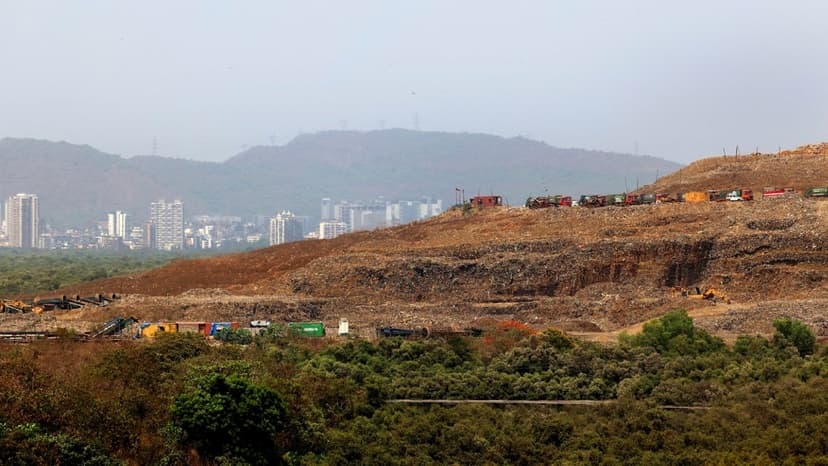
Residents in Mumbai's eastern suburbs are living under the constant threat of the Kanjurmarg landfill, which has grown into a massive, ever-expanding mountain of garbage. Operational since 2011, this site processes approximately 6,100 metric tonnes of waste daily, representing 86% of the city's total waste generation. The accumulated waste now stands at up to 50 meters, significantly exceeding environmental limits and making nearby homes virtually unlivable due to persistent stench and health concerns.
The Kanjurmarg landfill has also been identified as a significant methane hotspot, a potent greenhouse gas invisible and odorless, posing severe respiratory risks to inhabitants. The Bombay High Court has acknowledged the "situation of emergency" and appointed a monitoring committee. This committee has recommended an urgent methane audit, with officials appointing NEERI to conduct it. Plans are in motion to install gas catchers to reuse methane as fuel.
Despite its proximity to residential areas, some buildings are as close as 142 meters, violating mandated buffer zones. The landfill also threatens the ecologically sensitive Thane Creek and its mangrove ecosystems. Finding a solution is challenging, as Mumbai lacks land for a new landfill, and shifting the problem would incur significant costs and affect new communities. Legal challenges also persist, with a past High Court ruling stating the land is protected forest land.


