Home / Environment / Mumbai's Heat Crisis: Nature-Based Cooling Urgently Needed
Mumbai's Heat Crisis: Nature-Based Cooling Urgently Needed
16 Feb
Summary
- Nature-based cooling and climate-smart construction are vital for cities.
- Mumbai's coastal location and rising temperatures demand urgent adaptation.
- Integrating passive cooling into building regulations is crucial for new construction.
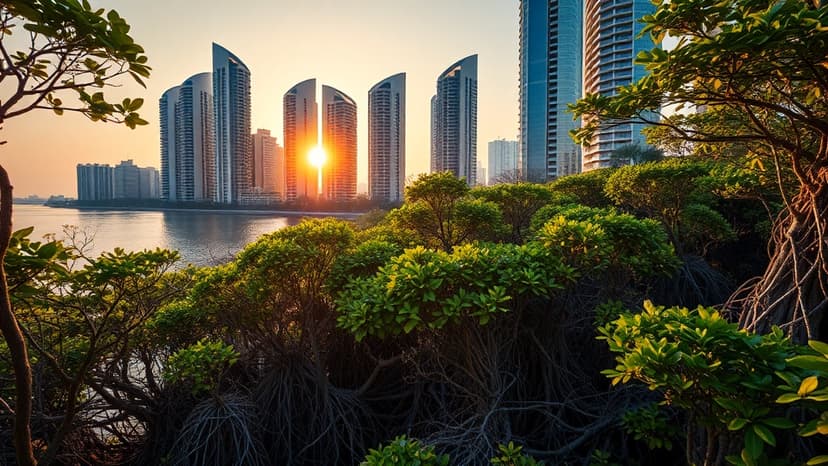
United Nations environment official Martin Krause emphasized the critical need for cities to adopt nature-based cooling and climate-smart construction practices. He highlighted that coastal megacities like Mumbai face immediate risks from rising sea levels, flooding, and extreme heat, making adaptation a pressing priority. Krause pointed to practical, affordable solutions such as restoring wetlands, enhancing urban tree cover, and developing rooftop gardens.
These nature-based solutions can significantly lower ambient temperatures, improving environmental conditions and human comfort, particularly for vulnerable populations. Krause advocated for combining these strategies with passive cooling in buildings and energy-efficient systems. He noted that over 230 cities globally are exploring passive cooling as part of their climate adaptation plans.
The UNEP is collaborating with cities worldwide, including through an MoU with the Maharashtra government under the 'BeCool' program. A key focus is making passive cooling a mandatory aspect of building regulations, rather than just a pilot. Krause stated that constructing climate-smart from the beginning is far cheaper than retrofitting later, involving architects and builders in design integration.
Addressing gaps in awareness, capacity, and finance is essential for widespread adoption of green building practices. Krause mentioned exploring incentives, such as lower interest loans for energy-efficient buildings, with Indian financial institutions. He underscored that cooling is a matter of health and dignity, especially in Indian cities experiencing prolonged extreme heat.
To ensure climate pledges translate into outcomes, UNEP supports data-driven heat-mapping for targeted interventions. Krause called the Mumbai Climate Action Week significant for connecting local realities with global expertise, accelerating learning and action at the municipal level.