Home / Environment / Mumbai's Water: Seawater Threatens City Aquifers
Mumbai's Water: Seawater Threatens City Aquifers
14 Oct
Summary
- Nearly 35% of Mumbai faces seawater intrusion risk.
- Saline groundwater found in Fort, Shivaji Park, and Mulund.
- Excessive pumping can contaminate freshwater aquifers.
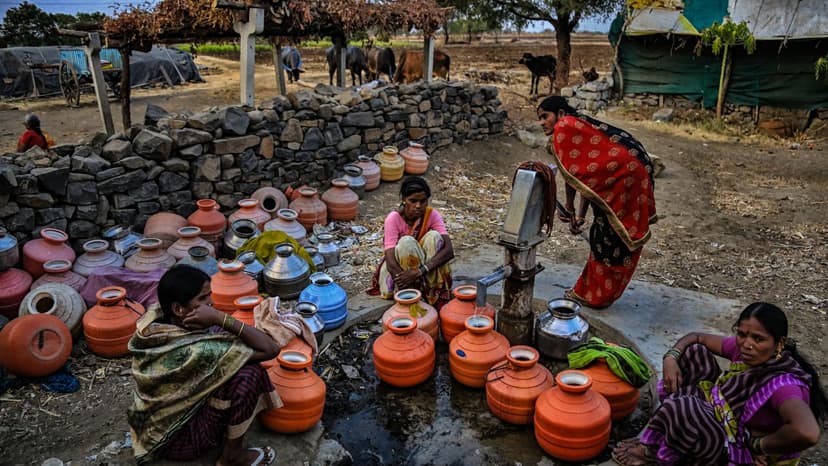
A recent study by the Central Ground Water Board (CGWB) has identified significant risks of seawater intrusion into Mumbai's freshwater aquifers, affecting approximately 35% of the city's area. The assessment, part of the CGWB's 2025 Aquifer Management Plan, pinpointed vulnerable locations including Fort, Shivaji Park, Mulund East, and Mahim.
Shallow aquifers along the west and south coasts are particularly susceptible, with deeper aquifers near eastern creeks also at risk, especially during the pre-monsoon period. The study noted high electrical conductivity (EC) levels, an indicator of salt concentration, in saline groundwater zones.
While Mumbai primarily relies on surface water reservoirs, groundwater is a crucial supplement. The CGWB's report cautions that even seemingly safe groundwater extraction levels can lead to localized seawater intrusion if freshwater pressure is reduced by excessive pumping.
Recommendations include restricting groundwater development in vulnerable areas like Fort and prohibiting it in Shivaji Park. The CGWB also proposes groundwater recharge structures and regular monitoring of salinity levels to combat further intrusion.


