Home / Environment / Mumbai Chokes: City's Air Quality Hits Unhealthy Levels
Mumbai Chokes: City's Air Quality Hits Unhealthy Levels
25 Feb
Summary
- Resuspended road and construction dust significantly pollutes Mumbai's air.
- Vehicular emissions are a major contributor to fine particulate matter.
- Rising pollution levels are linked to increased lung cancer cases.
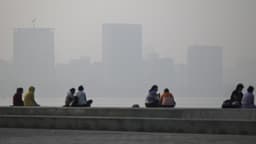
Mumbai's air quality has frequently entered unhealthy and severe categories, with AQI readings around 230-250 and some areas exceeding 290. Over the past week, air quality fluctuated sharply, reaching its worst on February 20 with an AQI of 318.
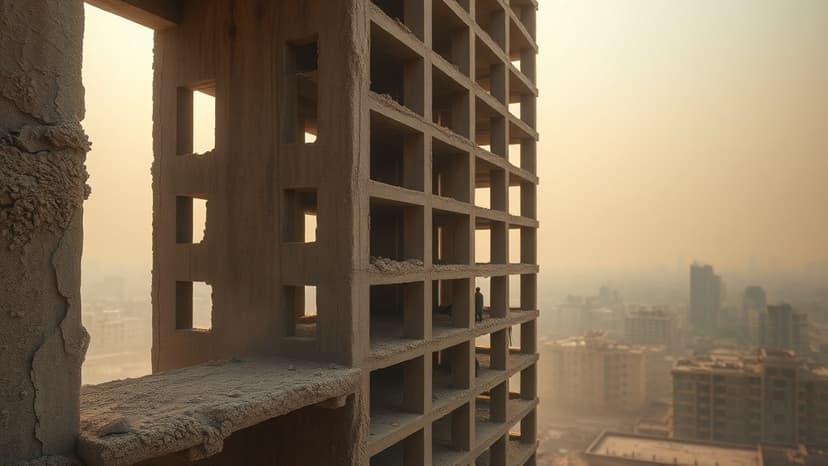
Experts identify a combination of factors driving this worsening pollution. Resuspended road and construction dust is a primary contributor, accounting for approximately 30% of PM10 and a significant portion of PM2.5. Vehicular emissions contribute around 16% of PM2.5 levels. Marine and secondary aerosols also play a role due to the city's coastal location, but human activities dominate.
Environmentalists highlight that road dust, traffic congestion, and large-scale construction activities are major sources of particulate matter. Heavy-duty vehicles and demolition work exacerbate the problem, with traffic and construction dust together responsible for a large share of particulate matter.
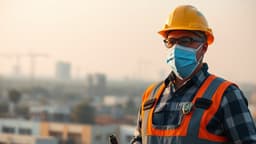
Residents express frustration over continuous construction and inadequate dust control measures, noting a rise in illnesses. Activists criticize the lack of stringent, systemic actions compared to global cities, stating that current measures are temporary fixes. They urge authorities to invest in pollution-friendly construction practices and enforce dust suppression methods.
Health concerns are intensifying, with the Maharashtra health department reporting a significant link between rising pollution and lung cancer cases. Doctors warn that prolonged exposure to PM2.5 increases risks of chronic respiratory, cardiovascular diseases, and lung cancer, even in non-smokers.
Authorities have issued numerous notices and stop-work orders to construction sites for environmental norm violations. They have deployed water tankers and misting machines for dust suppression and are conducting surprise inspections. However, questions have been raised about data credibility, with reliance placed on official data from the Maharashtra Pollution Control Board.
The Bombay High Court is actively involved, forming committees to supervise pollution control directives and mandating the installation of odour-containing covers at sites like the Kanjurmarg dumping ground. Opposition leaders are criticizing the government's handling of the crisis, demanding stricter enforcement and temporary halts to construction.
The air pollution crisis is now a defining urban challenge for Mumbai, prompting calls for accountability from citizens, activists, celebrities, and the judiciary. The city faces the critical task of balancing rapid development with its citizens' right to clean air.