Home / Environment / Big Cats Reshape Small Parks: New Study
Big Cats Reshape Small Parks: New Study
29 Jun
Summary
- Mountain lions' presence altered deer behavior significantly.
- Herbivore changes allowed plants like oak saplings to recover.
- Smaller predators shifted activity due to apex predator's arrival.
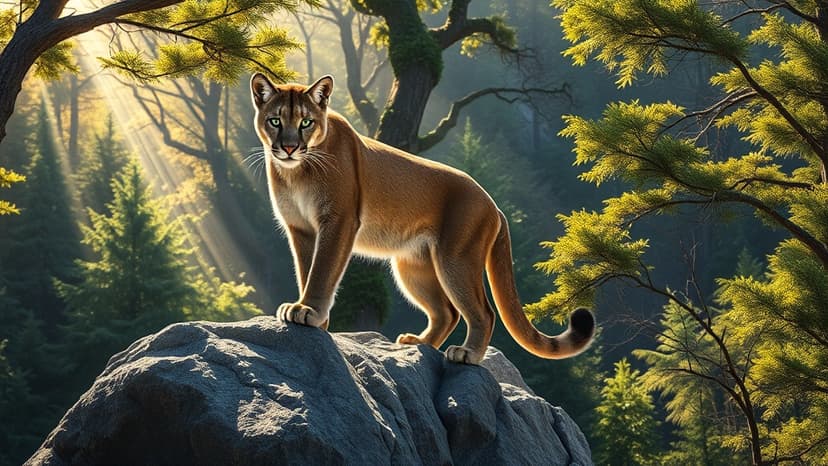
A surprising ecological transformation has been observed in a small nature preserve near San Francisco. Researchers at Stanford University found that the occasional presence of mountain lions significantly altered the behavior of local wildlife within the Jasper Ridge Biological Preserve, a two-square-mile area.
The study, published in Ecology and Evolution, documented that an "ecology of fear" emerged as mountain lions increased their visits. This led to a noticeable reduction in deer activity in favored feeding grounds, a direct response to avoid predation.
This change in herbivore behavior had cascading effects on the local plant life. Young oak trees and other vegetation, previously overgrazed, began to recover, suggesting apex predators can indirectly support forest canopies.
Furthermore, the mountain lions' presence disrupted the hierarchy among smaller carnivores. Coyotes and bobcats reduced their activity, potentially creating opportunities for other predators like grey foxes to hunt smaller prey more freely.
These findings underscore the ecological importance of small, connected green spaces, even those adjacent to urban environments. The study suggests that maintaining connectivity to larger wilderness areas allows even small suburban sanctuaries to support significant biological cascades.


