Home / Environment / Mount Rainier Shrinks: Melting Ice Reshapes Iconic Peak
Mount Rainier Shrinks: Melting Ice Reshapes Iconic Peak
9 Dec
Summary
- Mount Rainier's summit has dropped over 20 feet due to melting snow and ice.
- The mountain is a vital water source for millions in the Pacific Northwest.
- Global temperature rise is accelerating ice melt on frozen peaks worldwide.
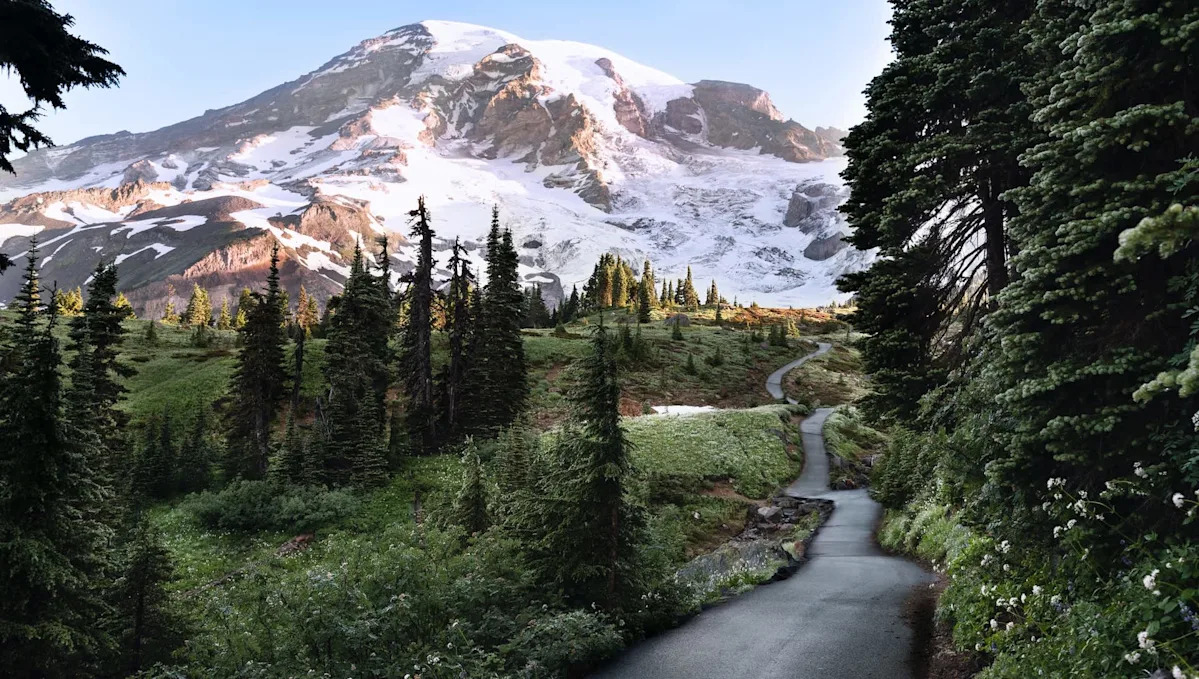
Mount Rainier, a prominent U.S. landmark, is noticeably shrinking as its summit elevation has decreased by over 20 feet since the mid-20th century. This significant change is attributed to the rapid melting of long-standing snow and ice, a direct consequence of rising global temperatures.
The mountain's glaciers are essential, serving as the headwaters for five major watersheds that support drinking water, salmon habitats, and hydropower generation for millions in the Pacific Northwest. The ongoing ice loss poses a threat to the predictability and stability of these vital water systems.
This event mirrors a worldwide trend of accelerating ice melt, which scientists predict could lead to a few feet of sea-level rise this century, increasing risks for coastal communities. Researchers stress the need for enhanced monitoring of ice-capped summits and updated mapping to better prepare for these cascading effects.