Home / Environment / Mythical Olympus Seeks UNESCO World Heritage Status
Mythical Olympus Seeks UNESCO World Heritage Status
18 Jul
Summary
- Mount Olympus, the mythological home of Greek gods, seeks UNESCO World Heritage status.
- The nomination highlights a blend of cultural significance, biodiversity, and natural beauty.
- A UNESCO committee meeting in Busan will discuss the nomination for the Greek mountain.
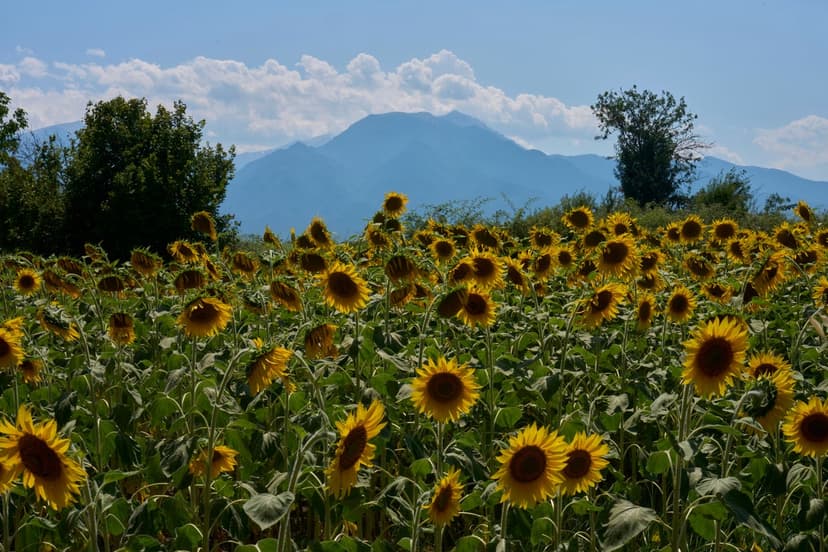
Mount Olympus, the legendary abode of the ancient Greek gods, is poised for a potential UNESCO World Heritage designation. This renowned peak, rising dramatically from near sea level to 2,918 meters, is celebrated for its deep mythological roots, believed to be the seat of Zeus. Modern Greeks are advocating for its inclusion as a mixed cultural and natural site, a proposal to be deliberated by the World Heritage Committee in Busan, South Korea.
The mountain's significance extends beyond myth, encompassing considerable historical and religious importance. Excavations have revealed an ancient sanctuary dedicated to Zeus, and a chapel on Prophet Elias peak is considered the highest in the Christian Orthodox world. The area also boasts the Enipeas Gorge with monastic remains and the Holy Cave of St. Dionysios, further cementing its spiritual legacy.
Furthermore, Mount Olympus is a haven of biodiversity, featuring endemic flora and fauna, with its slopes descending almost to the sea. This unique fusion of cultural heritage, myth, and natural splendor forms the crux of its UNESCO bid. Locals, like Evagelos Geroliolios, the mayor of Dion-Olympus, emphasize the need for protection, believing World Heritage status will bring greater global recognition and responsibility.
However, securing this designation is not guaranteed. Greece initiated the nomination process in 2014, but the World Heritage Committee's agenda suggests further details are required. The nomination faces a rigorous evaluation by advisory bodies. Success would impose obligations for enhanced environmental protection, a critical concern for mountain guides and local authorities amidst increasing visitor numbers and occasional safety incidents, including recent fatalities among hikers.


