Home / Environment / Mosquitoes Adapt to Survive in Previously Inhospitable Iceland, Raising Concerns
Mosquitoes Adapt to Survive in Previously Inhospitable Iceland, Raising Concerns
24 Oct
Summary
- Mosquitoes detected in Iceland for the first time
- Mosquitoes exploiting artificial breeding sites and adapting to colder temperatures
- Potential threat to humans and ecosystems with no prior exposure
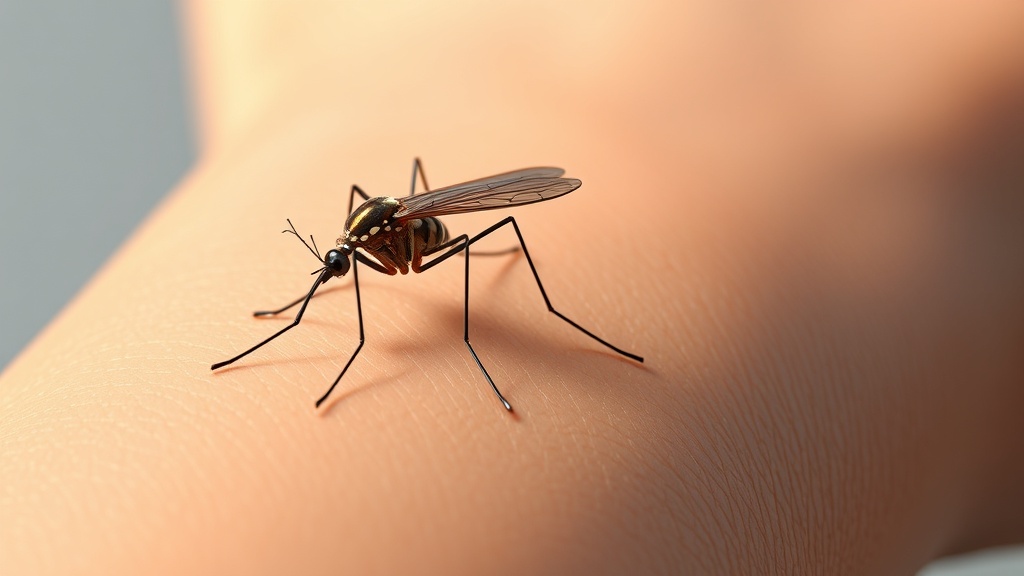
On October 16, 2025, mosquitoes were detected in Iceland for the first time, marking a dramatic shift in the reach of one of the world's deadliest pests. Scientists warn that these mosquitoes, identified as Culiseta annulata, have effectively evolved to survive colder temperatures, exploit artificial breeding sites, and complete their life cycles in a region that was previously inhospitable.
The arrival of mosquitoes in Iceland is part of a broader pattern tied to global warming, as the country has been experiencing a steady flow of warm air from the south. This has accelerated the development of mosquitoes, increasing their survival rates and extending the mosquito season, while also creating ideal conditions for breeding and population growth.