
Home / Environment / German Forests Welcome Elusive Moose Migrants
German Forests Welcome Elusive Moose Migrants
6 May
Summary
- Moose populations are increasing in eastern Germany, migrating from Poland and Czech Republic.
- Conservation successes in neighboring countries have led to moose westward movement.
- Road traffic poses the greatest danger to the small moose population in Germany.
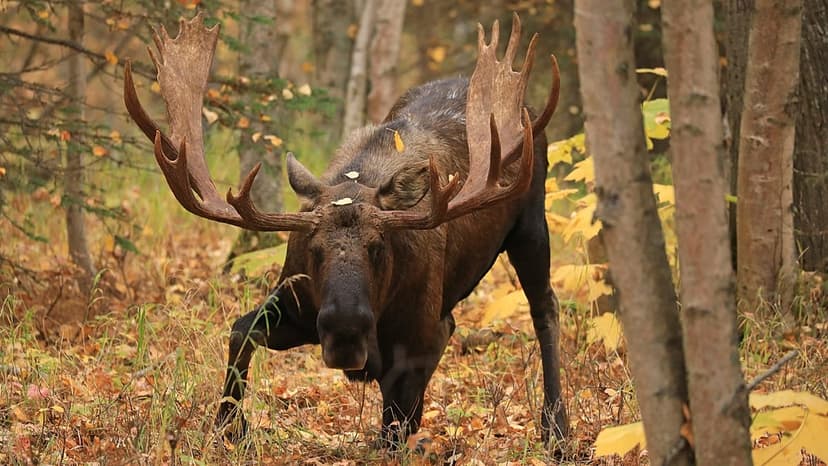
Moose are increasingly being spotted in eastern Germany, having migrated from Poland and the Czech Republic. These large animals, capable of weighing up to 700kg, have garnered public fascination, with some even receiving names. Their return to Germany is largely attributed to successful conservation initiatives in Poland and the Czech Republic, where populations have recovered significantly.
Historically, moose were widespread in Germany until the Middle Ages before disappearing due to hunting and habitat loss. In Poland, however, efforts to control moose numbers due to road accidents have led to hunting being permitted again. Similarly, road traffic poses the greatest risk to moose in Germany, with their substantial size making collisions with vehicles particularly dangerous.
Experts currently view the moose population in Germany as very small, with an estimated 15-20 individuals. Whether they will permanently settle depends on future population developments in Poland and continued westward migration. Areas like Brandenburg, with its extensive forests and wetlands, offer suitable habitats for these solitary animals, which can travel up to 30 kilometers daily.
