Home / Environment / Mongoose Invasion: A Biological Control Gone Wrong
Mongoose Invasion: A Biological Control Gone Wrong
2 Feb
Summary
- Introduced mongooses devastated island ecosystems, not just rats.
- Rats were targeted, but mongooses ate native wildlife instead.
- Prevention is key, as eradication is exponentially harder.
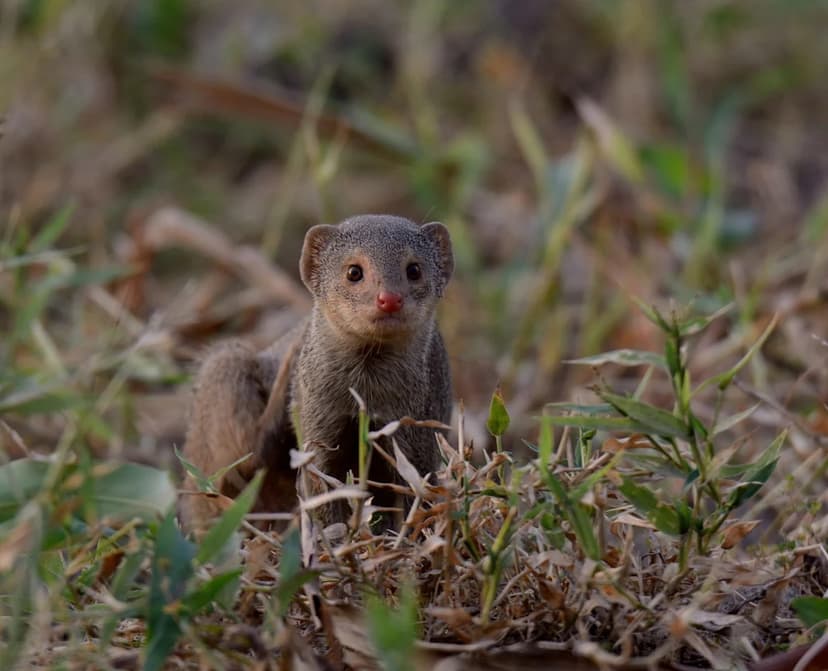
The Small Indian mongoose, introduced with the aim of controlling rats on 19th-century sugar plantations, has resulted in widespread ecological damage across islands. Intended as a biological control agent, these creatures have instead become a significant conservation crisis.
Mongooses, native to South Asia, are opportunistic hunters. Their introduction to islands like Hawaii and Okinawa, where native species evolved without land-based mammalian predators, led to devastating consequences. Ground-nesting birds, reptiles, and eggs became easy prey, causing severe declines in native wildlife populations.
Efforts to eradicate mongooses, such as those in Okinawa, have proven difficult and lengthy, requiring extensive trapping programs. In Hawaii, the focus is on containment and protecting specific habitats, highlighting the immense challenge of reversing such introductions.