Home / Environment / Minnesota's Hidden Climate Superheroes: Peatlands
Minnesota's Hidden Climate Superheroes: Peatlands
3 Dec, 2025
Summary
- Minnesota's peatlands store 30% of global carbon, exceeding forests.
- Drained peatlands release significant carbon, harming the climate.
- Restoring Minnesota's peatlands can drastically cut carbon emissions.
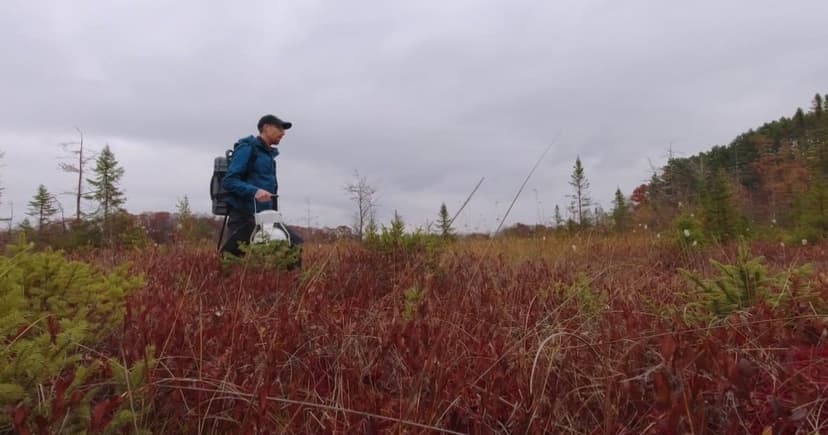
Minnesota holds a significant climate asset in its extensive peatlands, which scientists now recognize as powerful carbon sinks. These unique wetlands, covering over 10% of the state, absorb and store vast amounts of carbon dioxide from the atmosphere, accumulating over centuries. Globally, peatlands, despite covering only 3% of land, house approximately 30% of all terrestrial carbon, a figure surpassing that of the world's forests.
Historically, peatlands were often viewed as impediments to development and were drained for agriculture or construction. This process proved detrimental, as drained peatlands degrade, releasing their stored carbon into the atmosphere. Recognizing this mistake, restoration efforts are underway in Minnesota to rewet these drained areas, effectively halting carbon release and allowing peat to accumulate once more.
Restoring even a fraction of Minnesota's drained peatlands offers substantial climate benefits. Experts estimate that rewetting these lands could significantly reduce carbon dioxide emissions, equivalent to removing millions of cars from the road. This highlights the critical role of peatlands in climate change mitigation and the importance of their preservation and restoration.