Home / Environment / Microplastics Become Breeding Ground for Antibiotic-Resistant Bacteria
Microplastics Become Breeding Ground for Antibiotic-Resistant Bacteria
12 Oct, 2025
Summary
- Microplastics provide ideal surface for bacteria to breed and swap antibiotic-resistant genes
- Antimicrobial resistance poses major threat to human health
- Minimizing plastic use and advocating for better water treatment can help address the issue
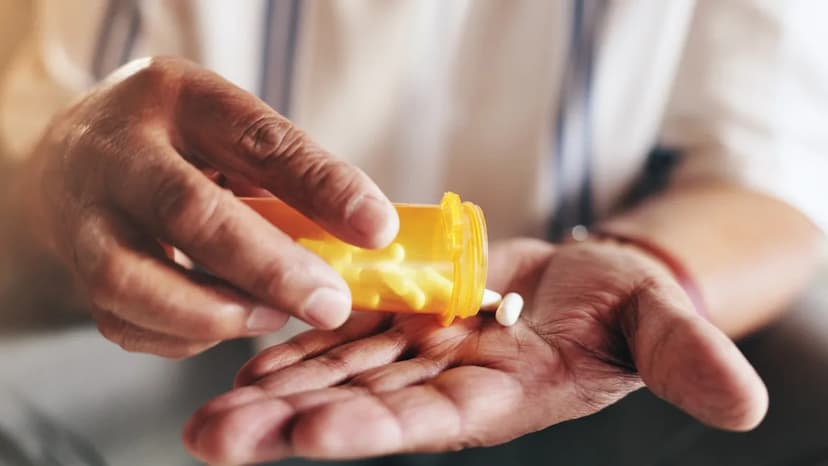
According to a study highlighted in Scientific American last month, microplastics have become a concerning breeding ground for antibiotic-resistant bacteria. Researchers have found that the porous nature of microplastics allows germs to easily attach and thrive, creating a biofilm that facilitates the swapping of genes that confer drug resistance.
This is particularly alarming as microplastics are becoming increasingly pervasive, polluting water and soil worldwide. As the plastic waste continues to accumulate, it provides more surface area for these superbugs to reproduce and spread. Communities near plastic manufacturers could see a rise in untreatable infections as the bacteria adapt to resist common medicines.
Experts emphasize that addressing this issue requires a multi-pronged approach. On an individual level, minimizing plastic use by opting for reusable containers and bags can help reduce the problem at the source. Simultaneously, advocating for improved water treatment infrastructure is crucial to cleanse resources of these contaminants before they spread further. Governments and companies must also invest in research to better understand the complex relationship between microplastics and antimicrobial resistance.


