Home / Environment / Microplastic Water Tests: Useful or Misleading?
Microplastic Water Tests: Useful or Misleading?
8 Nov
Summary
- Consumer microplastic water tests are emerging, priced between $200 and $835.
- Experts debate test effectiveness, citing other exposure routes like food and air.
- Lack of regulatory guidelines makes microplastic test results difficult to interpret.
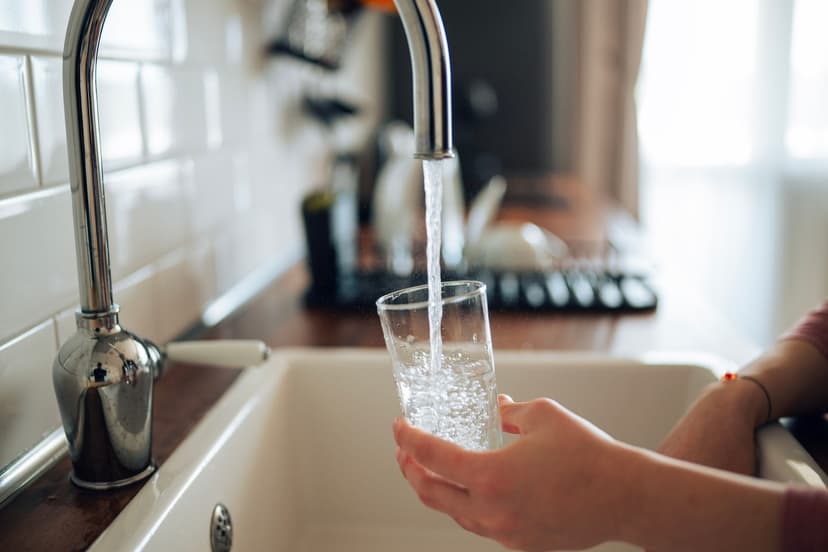
Environmental labs are introducing direct-to-consumer tests to detect microplastics in drinking water amidst growing public concern about potential health risks. Prices for these tests vary, with some costing $200 for anonymized data sharing and others up to $835. These tests aim to inform consumers about microplastic presence, but experts express skepticism regarding their overall effectiveness in reducing exposure.
Concerns are raised because microplastics can also be ingested through food or inhaled from dust, suggesting tap water may not be the primary source of exposure. Additionally, regulatory guidelines for acceptable microplastic levels in water are currently nonexistent, making it challenging for consumers to understand the significance of their test results. Some tests also have limitations in detecting the smallest particles, such as nanoplastics.
While the demand for such testing is increasing, some researchers suggest that consumer efforts might be better directed towards advocating for reduced plastic production and usage. The development and interpretation of microplastic testing are still in early stages, with varying methodologies and resolutions across different labs.


