Home / Environment / Pure Michigan? Rivers Overflowing with Waste
Pure Michigan? Rivers Overflowing with Waste
20 Nov
Summary
- Three-quarters of Michigan rivers exceed water quality standards.
- Fecal contamination from farms and septic systems is widespread.
- Legislators disagree on solutions, hindering progress on cleanup.
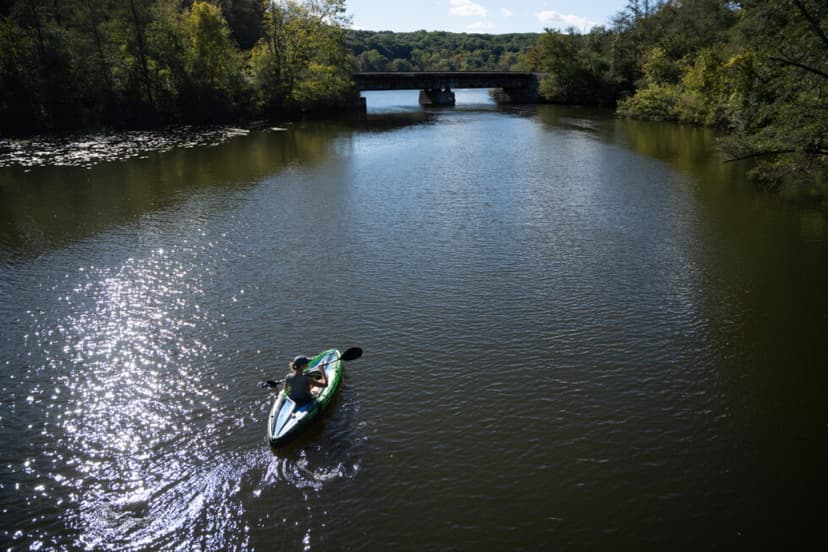
Michigan's vital rivers and streams, considered the state's arteries, are suffering from widespread fecal contamination. An estimated 75% of these waterways do not meet water quality standards, primarily due to runoff from large-scale farms and leaking home septic systems. This pollution poses significant health risks, potentially sickening thousands annually through exposure to bacteria, viruses, and parasites. Despite the clear danger, legislative action has been stalled, with Republicans and Democrats differing on solutions and priorities. Environmental groups advocate for stricter manure pollution regulations, while the livestock industry opposes them. Funding shortages further complicate matters, preventing essential repairs to aging sewer infrastructure and the enforcement of septic system maintenance.
The consequences of this ongoing pollution extend beyond immediate health concerns. It threatens to undermine investments made in restoring Michigan's waterways and impacts the state's reputation. Experts warn that a polluted environment hinders economic growth and overall wellness. Monitoring efforts have revealed high levels of E. coli, a common indicator of fecal contamination, in numerous rivers and streams across the state, including popular recreational areas. While the full extent of the health impact is difficult to quantify, studies suggest millions could be affected by gastrointestinal illnesses nationwide, with Michigan likely experiencing a significant portion of these cases.
Addressing this crisis requires bipartisan cooperation and financial commitment. Local conservation districts are working on voluntary measures, but lack adequate state support. Lawmakers acknowledge the unacceptable state of the water but are divided on how to fund and implement necessary upgrades to septic systems, sewers, and agricultural practices. Without decisive action, the outlook remains grim, with projections indicating the problem will persist for decades, leading to continued public health issues. The state's approach has been largely reactive, with limited resources dedicated to proactive pollution prevention.


