Home / Environment / Meghalaya: India's Mystical Land of Perpetual Clouds
Meghalaya: India's Mystical Land of Perpetual Clouds
20 Feb
Summary
- Meghalaya, meaning 'Abode of Clouds,' is nestled in Northeast India.
- Mawsynram and Cherrapunji are renowned globally for extreme rainfall.
- Hills, forests, and geography create persistent low-hanging clouds.
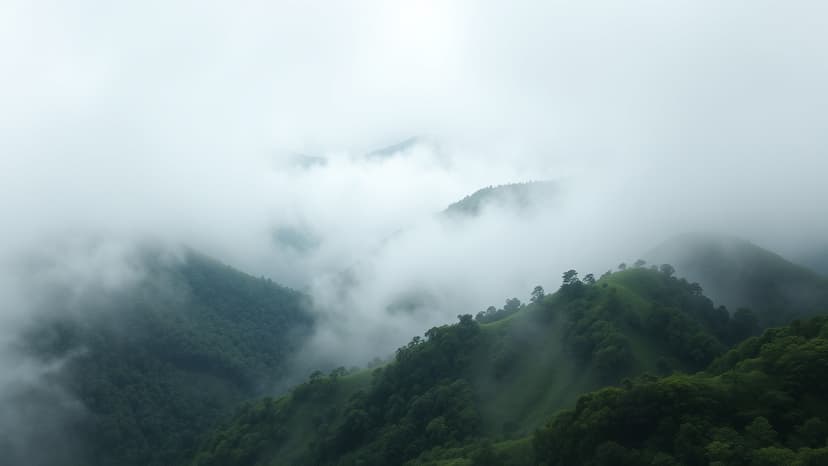
Nestled in Northeast India, Meghalaya lives up to its name, meaning 'Abode of Clouds.' This land is characterized by hills shrouded in mist and year-round rainfall, creating an almost unreal atmosphere. The persistent clouds are a result of the region's geography, including the Khasi, Garo, and Jaintia Hills, which interact with moist air.
Two locales within Meghalaya, Mawsynram and Cherrapunji, are globally recognized for their exceptionally high rainfall. These extreme precipitation levels have sculpted the landscape, forming deep valleys and nurturing lush, unique ecosystems. The dense forests also contribute to the cloud cover by releasing water vapor.
Locals have adapted to this wet climate, with rain being an integral part of life. For visitors, it offers a magical experience, though umbrellas are a necessity. The best time to visit for easier travel is typically between October and May, while the monsoon season from June to September enhances the waterfalls and cloud-filled vistas.