Home / Environment / 700-Year-Old Floods Reveal Climate Warning
700-Year-Old Floods Reveal Climate Warning
14 Aug
Summary
- Medieval Europe faced severe floods in 1341-1343.
- 1342 saw the most extreme flood events in 700 years.
- Past floods offer crucial lessons for modern disaster prep.
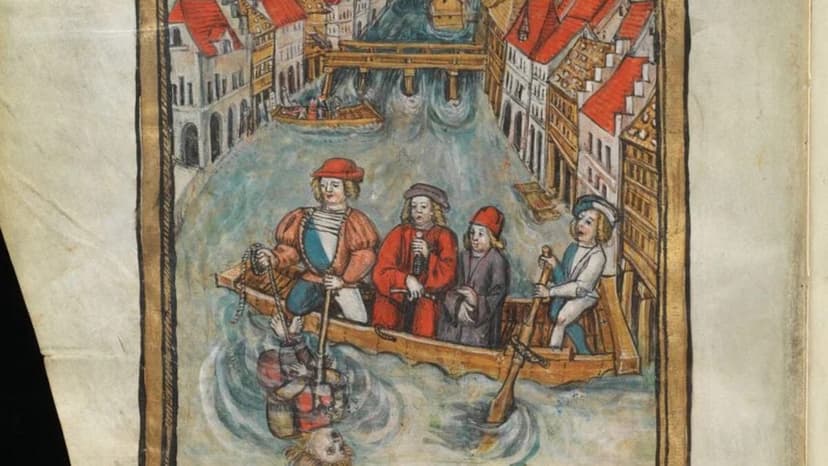
A major study has uncovered new details about the devastating floods that struck Medieval Europe between 1341 and 1343, with the St. Mary Magdalene's flood of 1342 being particularly catastrophic. Researchers examined more than 1,000 historical records to document this period, identifying 1342 as the year with the highest concentration of extreme flood events in the last seven centuries. These repeated inundations caused widespread destruction and loss of life across the continent.
The cumulative impact of these floods was severe, leading to thousands of direct fatalities and further deaths from subsequent food shortages and diseases. Major infrastructure, including an ancient stone bridge in France and vital transportation routes along rivers like the Rhine and Danube, was destroyed. The persistent flooding fostered widespread fear and a sense of crisis among the European populace.
Scientists now suggest a confluence of factors contributed to this unusual series of floods. These may have included a high number of volcanic eruptions between 1340 and 1341, low solar activity, and changes in Arctic sea ice. This interplay of climatic conditions likely fueled intense low-pressure systems and prolonged rainfall, ultimately triggering the extreme flood events.
The findings offer significant insights for modern disaster preparedness. The study emphasizes the importance of understanding the cumulative effects of successive extreme weather events and how climate patterns can lead to such occurrences. These historical observations provide valuable lessons for contemporary flood risk planning and climate change adaptation.


