

Home / Environment / Medieval Angels' Wings Mimic Endangered Birds
Medieval Angels' Wings Mimic Endangered Birds
29 Mar
Summary
- 16th-century angel carvings feature wings inspired by harriers.
- Local villagers saved the St. Wendreda's church angels from destruction.
- The survival of angels parallels the recovery of harrier birds.
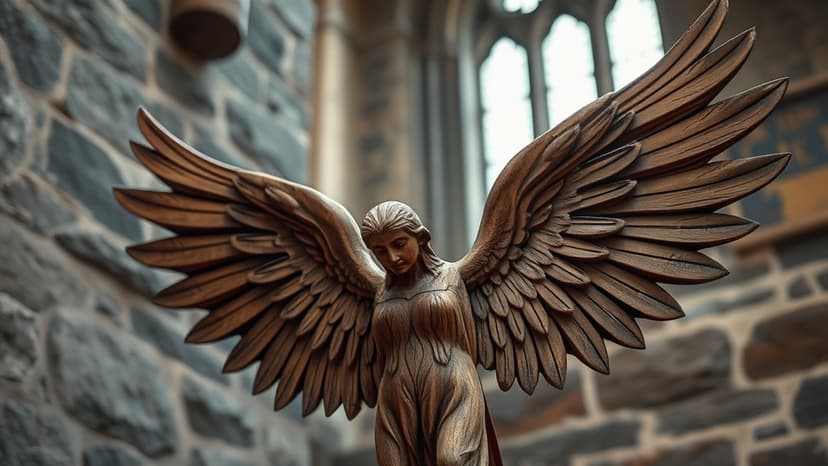
The roof of St. Wendreda's church in March, Cambridgeshire, features 118 oak carvings of angels dating from the 16th century. Notably, these angelic figures have wings inspired by the hen and marsh harriers, birds once common in the area and now returning. Nature writer Robert Macfarlane explores this connection, highlighting how the fate of these carvings mirrors that of the harriers.
During the Reformation, iconoclasts sought to destroy "idolatrous" church decorations. However, when Henry VIII's agents arrived to remove the carvings, the people of March cleverly plied them with drink and food. While the agents took the church silver, the harrier angels were left intact.
Simultaneously, the Tudor Vermin Acts led to a widespread killing of birds of prey. The story of the angel carvings' survival, threatened by iconoclasm and saved by local ingenuity, resonates with the ongoing plight and recovery of harrier birds, observed today in "angelic flight" at Wicken Fen.
