Home / Environment / Medford's Trash Tiff: Bi-Weekly Pickup Sparks Outrage
Medford's Trash Tiff: Bi-Weekly Pickup Sparks Outrage
24 Nov
Summary
- City plans bi-weekly trash pickup starting July next year.
- The change aims to save $1 million annually.
- Residents express significant anger and concern over sanitation.
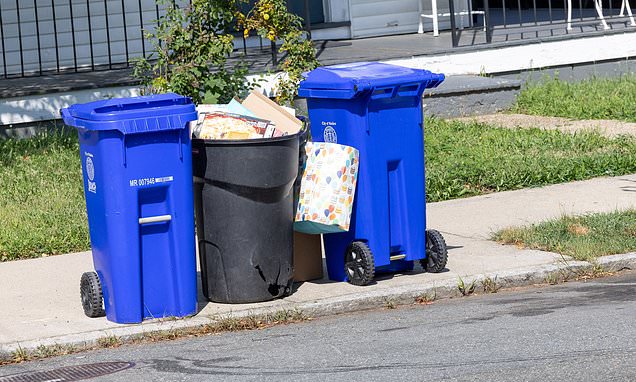
Medford City officials are moving forward with a plan for bi-weekly trash pickups, slated to begin as early as July of next year. This change is anticipated to save the city an estimated $1 million annually, aligning with state 'Zero-Waste' goals and securing a $200,000 grant to support these initiatives. The city highlights that this new schedule will meet state environmental thresholds and encourage residents to reduce, reuse, and recycle materials more effectively.
Despite the city's stated environmental and financial benefits, the proposal has been met with significant backlash from residents. Many have voiced their frustration on social media, citing concerns about increased rodent problems, the inadequacy of bi-weekly pickups for larger families, and a feeling that their tax contributions do not warrant reduced services. Some residents also feel the announcement was deliberately downplayed.
City Council President Zac Bears has expressed concern that the lack of transparent groundwork and communication has eroded trust in the program's implementation. Officials emphasize that the new collection contracts prioritize composting and recycling, with weekly compost collection continuing at no additional charge. Residents can also opt to purchase overflow bags or lease additional bins for a monthly fee, though this has also drawn criticism.