Home / Environment / Oysters Reefs Boom: Maryland's Restoration Success
Oysters Reefs Boom: Maryland's Restoration Success
4 Aug
Summary
- Oyster reefs in Tred Avon River grew so dense they formed solid masses.
- Maryland established 9,000 acres of oyster sanctuaries in 2010.
- Restored reefs exceed success metrics, averaging 462 oysters per square meter.
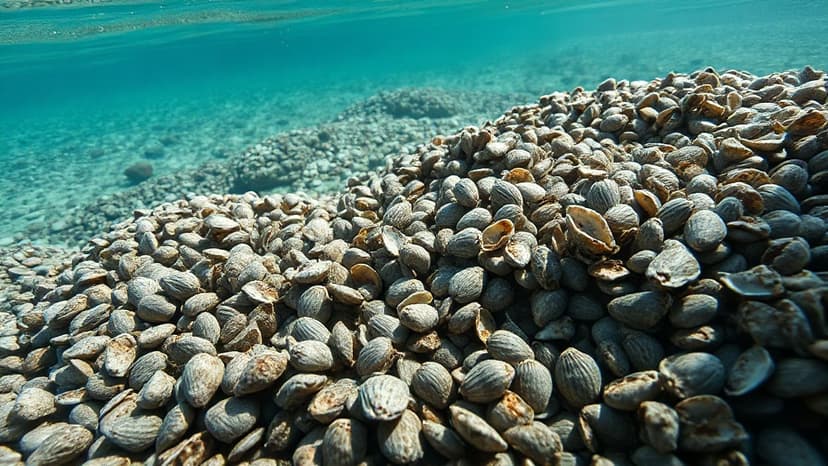
In 2022, biologists in Maryland's Tred Avon River observed an unexpected development: oyster populations had grown so thick they cemented into solid, three-dimensional reefs. This phenomenon, reported by the Oyster Recovery Partnership, indicated significant progress toward self-sustaining oyster habitats. The success stems from Maryland's 2010 decision to create approximately 9,000 acres of oyster sanctuaries, areas permanently closed to harvesting to allow natural reef growth.
Maryland's commitment to oyster restoration is further evidenced by the 2014 Chesapeake Bay Watershed Agreement, which included restoring five key tributaries. Between 2012 and 2022, the state invested $49 million and planted nearly 6 billion juvenile oysters. Data from Maryland's 2021 Oyster Monitoring Report confirmed the success, with sampled reefs meeting minimum thresholds and exceeding them significantly, as seen in Harris Creek's average of 462 oysters per square meter in 2022.
A 2023 study highlighted that protected and actively restored sanctuaries consistently yielded the tallest, healthiest reefs, crucial for filtering water and supporting marine life. While populations are recovering, they remain a fraction of historical numbers. Future targets include restoring 20 additional Bay tributaries by 2035 and expanding aquaculture efforts, aiming for significant growth in leased acreage and harvested bushels.


