Home / Environment / Marine Heatwave Shifts Sealife: Octopus Surge, Fish Flee
Marine Heatwave Shifts Sealife: Octopus Surge, Fish Flee
20 Jul
Summary
- Marine heatwave, driven by heat domes and climate change, has altered sea life.
- Warmer waters have led to an increase in octopus and jellyfish sightings.
- Fisheries face challenges as some species prefer colder waters, impacting industry.
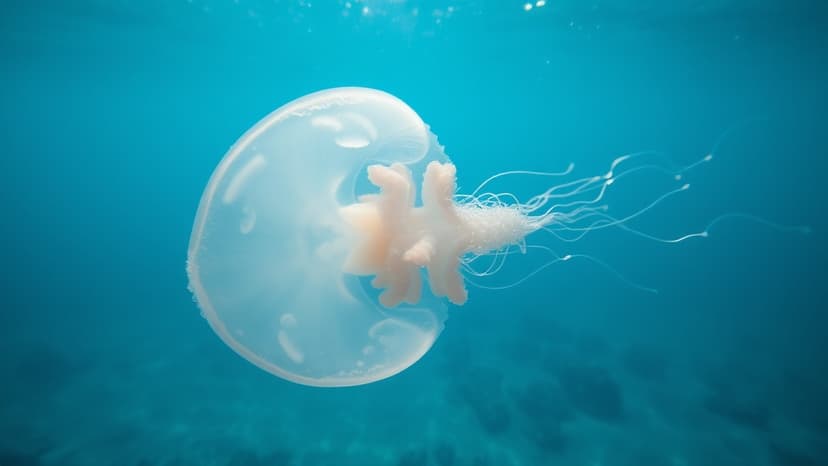
Marine heatwaves, fueled by "heat domes" and long-term ocean warming, are significantly altering sealife. Water temperatures around Guernsey in early July reached 17.7C, substantially higher than the historical average. This warming trend has led to noticeable shifts in marine species present in the island's waters.
Divers have observed an increase in species typically found in warmer Mediterranean waters, such as comber fish and mauve stingers. Octopus populations have also surged in recent years. Conversely, species crucial to the fishing industry, like certain crabs, are moving to deeper, colder waters, and there has been a concerning downward shift in vital phytoplankton and plankton.
The impact on the fishing industry is severe, with one report detailing a significant financial loss due to a boom in octopus populations. There is a push for Guernsey to obtain a tuna quota from the UK's Department for Environment, Food & Rural Affairs (Defra) to support the struggling industry. Discussions are ongoing regarding extending UK membership in international conservation commissions to the Bailiwick, though legislative changes would require approval.


