Home / Environment / Manchhar Lake's Disappearing Culture
Manchhar Lake's Disappearing Culture
15 Feb
Summary
- Manchhar Lake, once Pakistan's largest freshwater lake, is now polluted and toxic.
- The Mohanna fishing community's culture is fading as their lake disappears.
- Efforts are underway to preserve Mohanna heritage and revitalize Manchhar Lake.
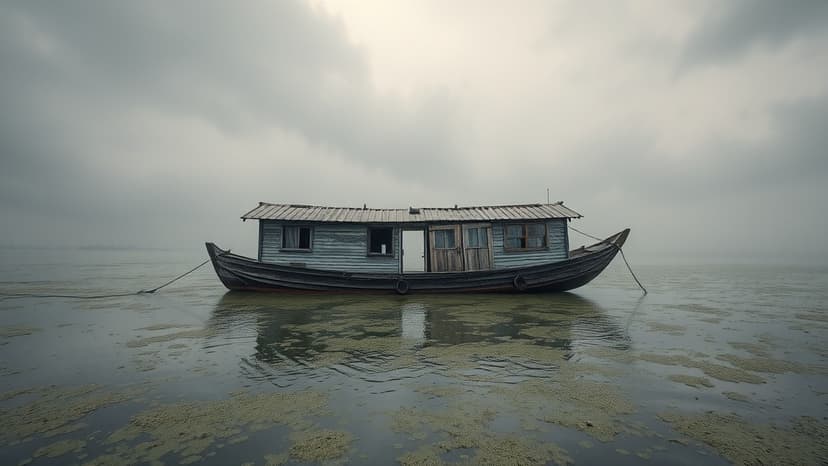
Manchhar Lake, a vital ecosystem in Pakistan, is facing ecological collapse due to decades of neglect and pollution. Once a thriving freshwater source, its waters are now toxic, endangering the Mohanna community whose lives have been intertwined with it for generations. Their traditional houseboat villages, known as galiyos, have dwindled from 2,000 to just 44, forcing many families ashore.
Historical interventions, including barrages and drainage schemes like the RBOD, have severely reduced freshwater inflows and introduced untreated industrial and municipal waste. This has poisoned the water, decimated fish stocks, and altered migratory bird patterns, causing immense hardship and cultural erosion for the Mohannas.
Recent initiatives, such as the UK-Pakistan Cultural Protection Fund pilot, aim to conserve remaining houseboats and support the community. Projects include repairing galiyos, providing access to clean water and sanitation, and developing eco-friendly infrastructure. These efforts are vital for preserving the Mohanna way of life, but they cannot fully address the systemic issues.
The lake's revival hinges on restoring freshwater inflows and treating pollution at its source. Without a concerted effort involving governmental cooperation, effective regulation, and community participation, Manchhar Lake and the Mohanna culture risk permanent disappearance, mirroring a broader trend of ecological decline in Pakistan.