Home / Environment / Monsoon Woes Threaten Malabar Frog Survival
Monsoon Woes Threaten Malabar Frog Survival
15 Jul
Summary
- Prolonged dry spells disrupt Malabar frog breeding in Goa.
- Frogs need continuous moisture for skin and eggs.
- Drying pools kill embryos before tadpoles can develop.
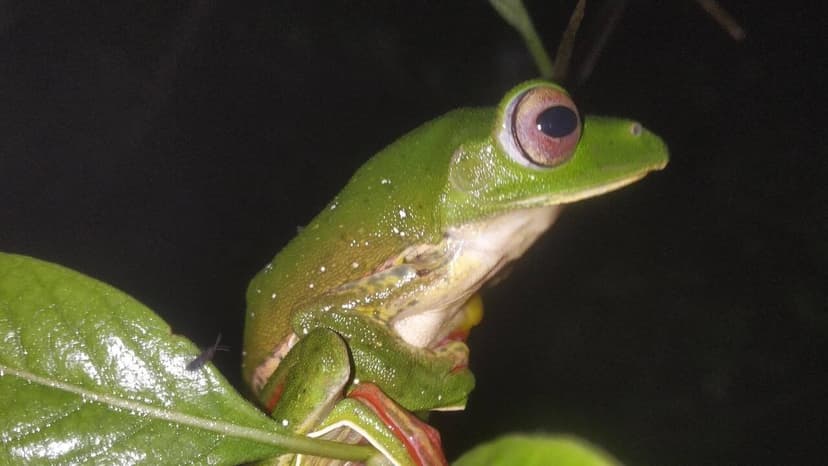
The Malabar gliding frog in Goa's Western Ghats is facing a severe threat due to prolonged dry spells during the current monsoon season. The species' breeding cycle is critically dependent on continuous moisture for skin respiration and egg development. Normally, the frogs emerge from hibernation with the first monsoon showers to begin their mating calls.
However, this year's erratic rainfall patterns have led to breeding pools drying up before the frogs could complete their reproductive cycle. Wildlife experts have observed that eggs laid in frothy foam nests on branches over water bodies are drying out, killing the embryos before they can hatch. This situation exacerbates the vulnerability of amphibians, whose life cycles are inherently tied to water availability.
Extended dry spells also cause dehydration in frogs, forcing them to seek shelter and reducing crucial feeding and breeding time. Furthermore, reduced rainfall shrinks wetland habitats, concentrating prey and predators into smaller areas, which intensifies competition and places additional pressure on amphibian populations. The future of the Malabar gliding frog hangs in the balance as climate change impacts rainfall patterns.


