Home / Environment / Maine Fisheries Face Climate Change Threat
Maine Fisheries Face Climate Change Threat
24 Jul
Summary
- Gulf of Maine waters are warming due to climate change.
- Fisheries need diversification to adapt to ecosystem shifts.
- Federal agencies are reducing crucial fishery data collection.
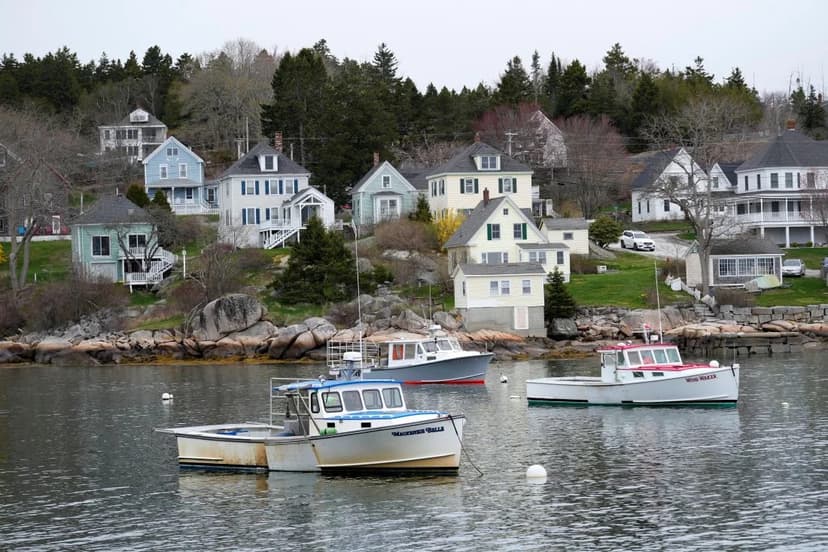
The Gulf of Maine, crucial for New England's fisheries, is undergoing significant warming driven by climate change, according to a recent NOAA report. Despite some temporary cooling, long-term temperature increases are predicted to continue, impacting marine ecosystems and fisheries. Federal scientists presented findings indicating that while some Maine ports are currently thriving, largely due to high lobster prices, the overall stability of fisheries and the ecosystem is threatened.
Experts are urging for diversification within Maine's commercial fishing sector, advocating for strategies such as adapting gear, exploring new species moving into the region, and embracing aquaculture. These measures are seen as vital for building resilience against unpredictable environmental conditions. However, a significant challenge emerges as federal agencies, including NOAA, are reducing the frequency and scope of essential stock assessments, creating a critical data gap.
To address this information deficit, scientists are inviting public contributions to monitor marine life and ocean conditions. This collaborative approach aims to supplement formal, resource-intensive data collection methods. The report, compiled by over 100 scientists, highlights the dynamic nature of the ocean and the urgent need for adaptive management strategies to navigate an uncertain future for the region's fisheries.


