Home / Environment / Las Vegas light creates unique ecosystem
Las Vegas light creates unique ecosystem
18 Mar
Summary
- Luxor Sky Beam attracts insects, creating food source.
- Bats and raptors prey on insects drawn to the light.
- Grasshopper invasion in 2019 numbered over 45 million.

The Luxor Sky Beam, a powerful light atop the Luxor Hotel and Casino in Las Vegas, has given rise to a surprising new ecosystem. Activated in 1993, the beam's 39 Xenon lamps, generating over 42.3 billion candlepower, attract vast numbers of flying insects like moths. Research from 2024 indicates insects instinctively orient towards light, causing them to circle and become trapped.
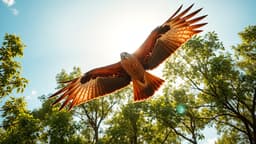
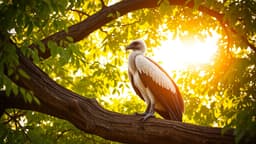
This congregation of insects provides a significant food source, drawing Brazilian free-tailed bats from up to 20 miles away. These bats, also known as Mexican free-tailed bats, feed on agricultural pests and other flying insects. Their presence at the beam attracts predators, including red-tailed hawks, American kestrels, great horned owls, and barn owls, completing a miniature food chain.
In July 2019, an unusual event occurred when over 45 million pallid-winged grasshoppers, attracted by the ultraviolet light and driven by wet weather patterns, invaded the area. This massive grasshopper population further augmented the food available for bats and birds. These events underscore how human-created artificial light can dramatically alter natural landscapes and animal behaviors, impacting diverse species.