Home / Environment / Loggerheads Shrink as Climate Change Devours Their Food
Loggerheads Shrink as Climate Change Devours Their Food
17 Feb
Summary
- Loggerhead turtles are nesting earlier and laying fewer eggs due to warming oceans.
- The sea creatures are decreasing in size, impacting reproductive success.
- Conservation must expand to protect feeding grounds from climate threats.
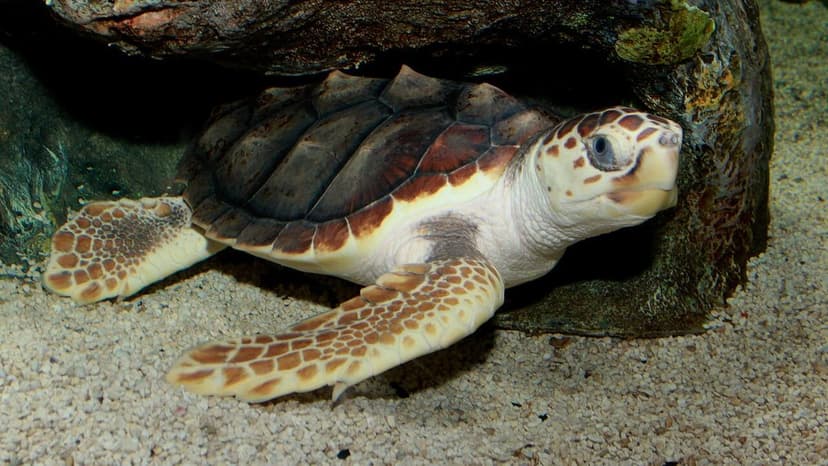
Loggerhead turtles, known for their large heads, are experiencing multiple impacts from climate change. Research indicates these omnivorous reptiles are nesting earlier in the year, a potential adaptation to warmer temperatures. However, this adjustment comes with a reduced number of eggs laid per nest and less frequent breeding cycles.
The study, conducted over 17 years in Cabo Verde, revealed that dwindling food sources in the Atlantic Ocean are significantly affecting reproductive success. As 'capital breeders,' loggerheads rely on stored energy, but decreased foraging efficiency means less energy for reproduction. This is compounded by a noticeable decline in their overall size.