Home / Environment / Months of Darkness, Months of Light: Extreme Life at the Poles
Months of Darkness, Months of Light: Extreme Life at the Poles
24 Mar
Summary
- Regions inside Arctic/Antarctic Circles face extreme light seasons.
- Polar night and weeks of continuous sunlight shape life at poles.
- Unique cultures and scientific research thrive in extreme conditions.

Near Earth's poles, the predictable cycle of day and night is disrupted by extreme seasons of light. Regions within the Arctic and Antarctic Circles experience summers with continuous daylight and winters with prolonged darkness, known as polar night.
This phenomenon significantly influences the daily lives, architecture, and cultures of inhabitants. For example, Svalbard, a remote archipelago, hosts crucial scientific research and the Global Seed Vault. Its residents often work around the clock during the summer months of perpetual daylight.
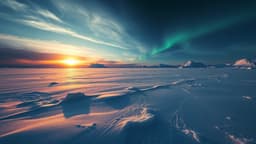
In Tromsø, a vibrant university city, residents and tourists embrace the winter darkness for aurora borealis viewing, while relying on indoor social life. Utqiaġvik, home to the Iñupiat people, maintains traditions like the Nalukataq whaling festival, celebrating the return of sunlight.
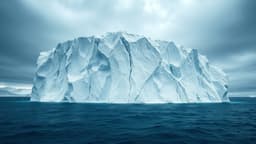
Murmansk, a major industrial port, facilitates year-round shipping with its ice-free harbor and supports Russia's nuclear icebreaker fleet. Ilulissat in Greenland offers views of dramatic icebergs from the Jakobshavn Glacier, attracting scientists studying climate change.
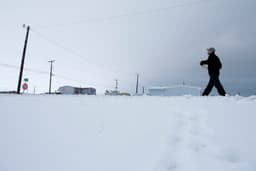
Arctic Bay, an Inuit community, sustains a lifestyle tied to the environment, using snowmobiles for winter travel and traditional hunting routes. Rovaniemi, known as Santa's hometown, is a tourist hub for Arctic experiences like reindeer safaris and northern lights viewing.
Antarctica, lacking a permanent civilian population, hosts rotating scientific teams studying glaciology and marine biology. Research stations operate at full capacity during continuous daylight, with reduced crews during the dark winter months.