Home / Environment / Pune's Leopard Plan: Quick Fix or Ecological Risk?
Pune's Leopard Plan: Quick Fix or Ecological Risk?
3 Dec
Summary
- Maharashtra plans to capture 50 leopards from Pune to reduce human-wildlife conflict.
- Conservationists warn relocation could destabilize ecosystems and ignore habitat loss.
- Experts advocate for habitat restoration and community programs over capture.
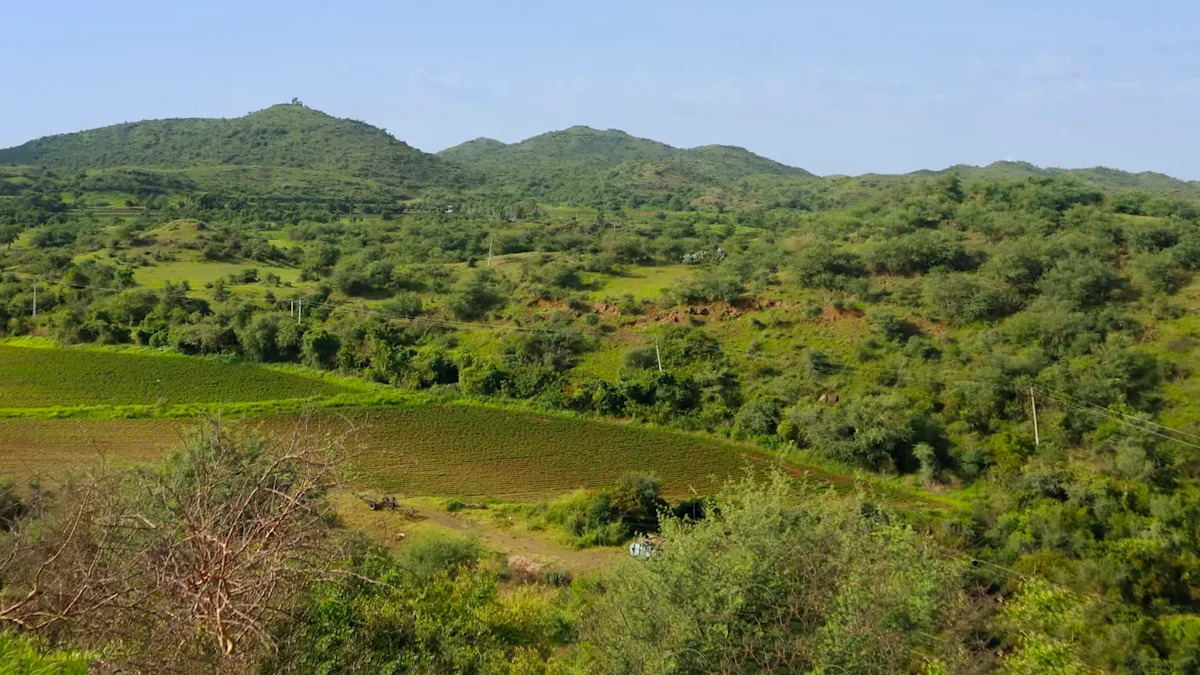
In response to escalating human-wildlife conflict, India's Maharashtra state is planning to capture approximately 50 leopards from the Junnar forest division near Pune. This controversial move, prompted by recent fatal leopard attacks, aims to reduce fear and prevent retaliatory killings in densely populated rural areas.
Conservation experts express concern, arguing that large-scale relocation may offer a temporary fix but could lead to long-term ecological disruption. They emphasize that leopards are vital for maintaining ecosystem balance and that capturing animals without identifying specific threats is unscientific. Critics also point out that the plan fails to address the root cause: habitat fragmentation due to expanding human settlements and agriculture.
Advocates are pushing for more sustainable, research-based approaches, including habitat restoration, improved livestock protection, and community education on coexistence. They highlight successful conflict-reduction models in other Indian states that prioritize proactive monitoring and habitat management over relocation. Maharashtra faces a crucial decision between reactive capture and proactive prevention for long-term wildlife and human safety.