Home / Environment / Shipwreck Misses Lakshadweep: Islands Spared Ecological Damage
Shipwreck Misses Lakshadweep: Islands Spared Ecological Damage
15 Aug
Summary
- Shipwrecking of MSC Elsa 3 caused no measurable ecological or socioeconomic damage.
- Vessel sank with 640 containers, including hazardous materials.
- Islands need tailored waste solutions due to limited land and fragile systems.
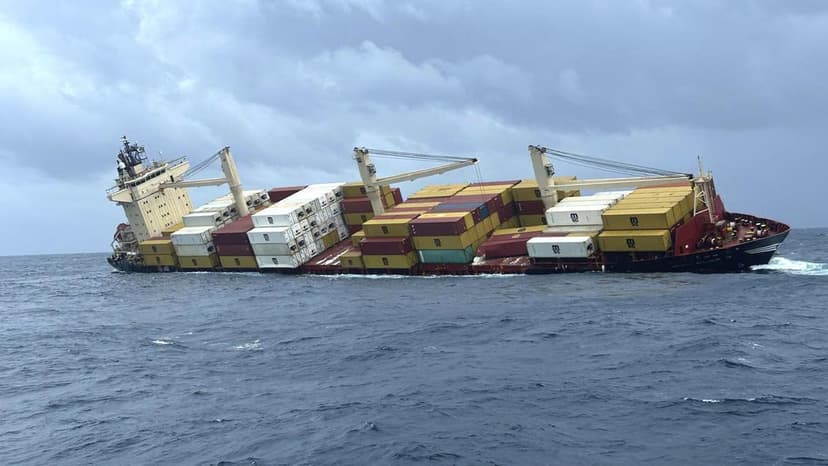
A comprehensive study by the National Centre for Sustainable Coastal Management (NCSCM) has determined that the sinking of the container vessel MSC Elsa 3 did not result in significant ecological or socioeconomic damage to the Lakshadweep islands. The vessel went down on May 25, 2025, approximately 38 nautical miles off the Kerala coast with 640 containers.
Despite carrying hazardous cargo, assessments of seawater and sediment in the Lakshadweep showed that physiochemical parameters remained within normal baseline ranges. Biological evaluations confirmed no degradation in plankton communities, coral reefs, or seagrass meadows. Marine litter observed reflected chronic regional sources, not the shipwreck.
Socioeconomic evaluations indicated that fisheries and tourism activities remained uninterrupted, with no reported livelihood losses. However, the research emphasized the islands' vulnerability and the need for enhanced maritime incident preparedness, including early warning systems and coordinated response mechanisms.
The study also highlighted that conventional waste management systems are unsuitable for the Lakshadweep islands. It recommended decentralized, low-footprint solutions tailored to island conditions, acknowledging constraints like limited land and fragile groundwater systems. Strengthening surveillance along key maritime corridors is also advised.


